Cambodian Gen Z believe in freedom—freedom to code, freedom to speak, freedom to dream

យើងមិនរង់ចាំការអនុញ្ញាតឲ្យកកេីតឡេីងទេ។ ប្រទេសកម្ពុជាគឺជាទឹកដីក្មេងខ្ចី។ ដោយមានប្រជាជនជាង 60% ដែលមានអាយុក្រោម 30 ឆ្នាំ យើងគឺជាកម្លាំងចលករនៃប្រទេសជាតិនេះ។ យើងជាឆ្អឹងខ្នងទ្រទំងន់នៃប្រវត្តិសាស្ត្រ ពួកយេីងមិនមែនជាបន្ទុកនោះទេ ប៉ុន្តែជាគ្រឹះដែលយើងអាចកកេីតឡើងខ្ពស់ទៅរកជេីងមេឃ។ យើងជឿជាក់លើសេរីភាព – សេរីភាពក្នុងការសរសេរកូដ សេរីភាពក្នុងការនិយាយ សេរីភាពក្នុងការស្រមៃ។ យើងកំពុងជំនួសភាពស្ងៀមស្ងាត់ដោយការបញ្ចេញមតិ និងឧបសគ្គដោយប្រទាក់បណ្តាញជាស្ពានចំឡង។ អនាគតមិនមែនជាអ្វីដែលយើងរង់ចាំនោះទេ។ វាជាអ្វីមួយដែលយើងចងក្រង រចនា និងដាក់ពង្រាយជារៀងរាល់ថ្ងៃ។ 65%អាយុក្រោម 30ឆ្នាំ អ្នកប្រើប្រាស់អ៊ីនធឺណិត 12 លាននាក់+ ។

===

We are not waiting for permission to build. Cambodia is young. With over 60% of the population under 30, we are the pulse of this nation. We carry the weight of history not as a burden, but as a foundation upon which we build skyward. We believe in freedom—freedom to code, freedom to speak, freedom to dream. We are replacing silence with expression, and barriers with bridges. The future is not something we wait for. It is something we compile, design, and deploy every single day. 65% Under 30, 12M+ Internet Users

www.khmeroversea.info


In remember of Paris Peace Agreement

© Copyright by the Endowment of the United States Institute of Peace

Written by Stephen P. Marks

ឥទ្ធិពលនៃកិច្ចព្រមព្រៀងទីក្រុងប៉ារីសលេីរដ្ឋធម្មនុញ្ញបច្ចុប្បន្ន(Unofficial translation)

កិច្ចព្រមព្រៀងទីក្រុងប៉ារីស តម្រូវឱ្យសភាធម្មនុញ្ញបង្កើតរដ្ឋធម្មនុញ្ញមួយ “នឹងប្រកាសថា កម្ពុជានឹងអនុវត្តលទ្ធិប្រជាធិបតេយ្យសេរី ដោយផ្អែកលើពហុនិយម”។ ពាក្យថា “លទ្ធិប្រជាធិបតេយ្យសេរី” ត្រូវបានសន្មតថាដោយសម្តេចព្រះសីហនុ ដែលបានអំពាវនាវឱ្យប្រទេសកម្ពុជាជារដ្ឋប្រជាធិបតេយ្យសេរីក្នុងអំឡុងពេលការចរចាមុនៗ។ វាហាក់ដូចជាព្រះអង្គបានប្រើពាក្យនេះនៅក្នុងបរិបទនៃការចរចា ពីព្រោះគាត់សន្មតថាវាជាអ្វីដែលអ្នកតំណាងសហរដ្ឋអាមេរិក និងអ្នកចូលរួមសំខាន់ៗផ្សេងទៀតនៅក្នុងសន្និសីទប៉ារីសចង់ឮ។ គំនិតនេះពិតជាមិនឆ្លុះបញ្ចាំងពីគោលការណ៍របស់រដ្ឋាភិបាលដែលគាត់បានអនុវត្តនៅពេលគាត់ជាស្តេច ឬជានាយករដ្ឋមន្ត្រីក្នុងទសវត្សរ៍ឆ្នាំ 1950 ហើយសំណួរនៅតែទាក់ទងនឹងការសម្របខ្លួននៃទ្រឹស្តីនយោបាយលោកខាងលិចនៃសេរីនិយមទៅនឹងលក្ខខណ្ឌនៃសង្គមព្រះពុទ្ធសាសនា ក្រីក្របំផុត និងសង្គមកសិកម្មដូចជាកម្ពុជា។ កិច្ចព្រមព្រៀងទីក្រុងប៉ារីសមិនកំណត់ពាក្យនេះទេ បើទោះបីជាពួកគេបានរាប់បញ្ចូលធាតុទាំងប្រាំបីនៃដំណើរការបោះឆ្នោតដែលរដ្ឋធម្មនុញ្ញត្រូវតែលើកឡើង ហើយនោះ សន្មតថាជាផ្នែកមួយនៃនិយមន័យនៃលទ្ធិប្រជាធិបតេយ្យសេរី។

ទីមួយ ការបោះឆ្នោតត្រូវតែធ្វើឡើងជាទៀងទាត់ ដែលបុគ្គលអាចសន្មត់បានថា លក្ខខណ្ឌនៃសមាជិកសភាជាតិត្រូវតែមានកម្រិត ហើយសមាជិកត្រូវតែត្រូវបានជ្រើសរើសឡើងវិញ ឬបេក្ខជនថ្មីដែលត្រូវបានជ្រើសរើសដើម្បីកាន់កាប់អាសនៈក្នុងសភាបន្ទាប់ពីអាណត្តិផុតកំណត់។

ទីពីរ ការបោះឆ្នោតត្រូវតែជា “ពិតប្រាកដ” សន្មតថា ដំណើរការត្រូវតែគ្មានការបង្ខិតបង្ខំ។ លក្ខណៈវិនិច្ឆ័យនេះគឺជិតទៅនឹងគោលគំនិតនៃយុត្តិធម៌នៅក្នុងការបោះឆ្នោត។

ទី​៣ និង​ទី​៤ គឺ​សិទ្ធិ​បោះឆ្នោត និង​ការ​ឈរឈ្មោះអោយគេបោះឆ្នោត។

ទីប្រាំ ការមានសិទ្ធិបោះឆ្នោតត្រូវតែជាសកល។

ទីប្រាំមួយ និងទាក់ទងយ៉ាងជិតស្និទ្ធទៅនឹងសកលលោក គឺជាគោលគំនិតនៃការបោះឆ្នោតស្មើគ្នា ដែលមានន័យថា រាល់ការបោះឆ្នោតមានតម្លៃដូចគ្នា។ សិទ្ធិស្មើគ្នា និងជាសកល សន្មតថាមិនរើសអើង។

ទីប្រាំពីរ សន្លឹកឆ្នោតត្រូវតែសម្ងាត់។

ជាចុងក្រោយ ឧបសម្ព័ន្ធទី 5 ទាមទារឱ្យរដ្ឋធម្មនុញ្ញផ្តល់លទ្ធភាពពេញលេញ និងយុត្តិធម៌ក្នុងការរៀបចំ ដើម្បីចូលរួមក្នុងដំណើរការបោះឆ្នោត។ តម្រូវការនេះទាក់ទងនឹងការបង្កើត និងការប្រព្រឹត្តទៅនៃគណបក្សនយោបាយ លក្ខណៈសំខាន់នៃពហុនិយម និងលទ្ធភាពនៃការធ្វើយុទ្ធនាការដើម្បីទាក់ទាញអ្នកបោះឆ្នោត។

ធាតុទាំងប្រាំបីគ្របដណ្តប់ទិដ្ឋភាពផ្លូវការនៃអ្វីដែលត្រូវបានយល់ដោយ “លទ្ធិប្រជាធិបតេយ្យសេរីនៅលើមូលដ្ឋាននៃពហុនិយម” ។ កិច្ចព្រមព្រៀងទីក្រុងប៉ារីសបានដោះស្រាយយ៉ាងត្រឹមត្រូវជាមួយនឹងបញ្ហាសំខាន់ៗក្រោយជម្លោះ-បទឈប់បាញ់ ការធ្វើមាតុភូមិនិវត្តន៍ ការស្ដារឡើងវិញនូវអធិបតេយ្យភាព និងឯកភាព ការរៀបចំអន្តរកាល និងការស្តារឡើងវិញ និងការកសាងឡើងវិញ លើកលែងតែបញ្ហានៃការទទួលខុសត្រូវចំពោះការរំលោភបំពានកន្លងមក។ ការមិនមានឆន្ទៈក្នុងការដោះស្រាយបញ្ហាចុងក្រោយនេះ បានឈានទៅដល់ការដកពាក្យ “អំពើប្រល័យពូជសាសន៍” ចេញពីអត្ថបទនៃកិច្ចព្រមព្រៀងទីក្រុងប៉ារីស ដែលសំដៅជំនួសឱ្យការធានាថា “គោលនយោបាយ និងការអនុវត្តពីអតីតកាល នឹងមិនអនុញ្ញាតឱ្យត្រឡប់មកវិញឡើយ” ។ ជាងនេះទៅទៀត គ្មានសេចក្តីព្រាងផ្សេងៗនៃរដ្ឋធម្មនុញ្ញដែលសំដៅលើការកាត់ទោស ឬការពិត និងការផ្សះផ្សាជាតិឡើយ។ ពួកគេ​មិន​បាន​លើក​ឡើង​អំពី​គោលនយោបាយ និង​ការ​អនុវត្ត​ពី​អតីតកាល​ទេ។ តម្រូវការក្នុងការរួមបញ្ចូល DK និងចិននៅក្នុងកិច្ចព្រមព្រៀង និងជំនឿព្រះពុទ្ធសាសនាលើការផ្សះផ្សា និងសេចក្តីស្រឡាញ់ដោយគ្មានការសងសឹក គឺជាអំណះអំណាងដ៏ខ្លាំងក្លាក្នុងការពេញចិត្តចំពោះភាពស្ងៀមស្ងាត់បែបនេះ ប៉ុន្តែនិទណ្ឌភាពនៅតែបន្តជាកង្វល់ចម្បងនៃយុត្តិធម៌កម្ពុជា។ ប្រហែលជាការផ្តាច់ខ្លួន DK ក្នុងអំឡុងពេល PICC មិនមែនជាជម្រើសទេ ហើយការបោះឆ្នោតរបស់ចិនគឺចាំបាច់នៅក្នុងក្រុមប្រឹក្សាសន្តិសុខអង្គការសហប្រជាជាតិ។ ប៉ុន្តែការបដិសេធរបស់ DK ក្នុងការគោរពកិច្ចព្រមព្រៀងទីក្រុងប៉ារីស និងការបន្តអំពើហឹង្សានឹងបង្ហាញអំពីភាពត្រឹមត្រូវនៃភាពលំបាកនៅពេលនៃសេចក្តីព្រាងរដ្ឋធម្មនុញ្ញ។

ទោះក្នុងកាលៈទេសៈណាក៏ដោយ ផលិតផលនៃដំណើរការបង្កើតរដ្ឋធម្មនុញ្ញឆ្នាំ 1993 គឺជាការកែប្រែនៃរដ្ឋធម្មនុញ្ញមុនៗ ដែលរួមបញ្ចូលគ្នានូវធាតុផ្សំនៃរដ្ឋធម្មនុញ្ញឆ្នាំ 1947 និង 1989 ជាមួយនឹងការកែលម្អសេរីភាវូបនីយកម្មមួយចំនួន ជាជាងរដ្ឋធម្មនុញ្ញដែលបានរៀបចំថ្មីនៅលើឧបសម្ព័ន្ធទី 5 ។ នេះបង្ហាញពីរបៀបដែលនយោបាយកម្ពុជាមានទំនោរទៅរកការឥទ្ធិពលពីលេីតួនាទីរបស់អង្គការសហប្រជាជាតិនៅក្នុងទីក្រុងប៉ារីស។ ការលាយបញ្ចូលគ្នានៃរដ្ឋធម្មនុញ្ញឆ្នាំ 1947 និង 1989 ពោលគឺការរួមផ្សំគំនិតរបស់អ្នកឈ្នះការបោះឆ្នោតរាជានិយមនៃរដ្ឋាភិបាលស្ថិរភាពជាមួយ CPP និងរដ្ឋកម្ពុជា (SOC) ជារដ្ឋាភិបាលមានអំណាចជាក់ស្តែង ជាដំណេីរធម្មតានៅក្នុងនយោបាយកម្ពុជា។

ទោះជាយ៉ាងណាក៏ដោយ ចំណុចចាប់ផ្តើមនៃកិច្ចព្រមព្រៀងគឺជានិយមន័យដែលព្រមព្រៀងគ្នាជាអន្តរជាតិនៃអ្វីដែលមានន័យដោយរដ្ឋធម្មនុញ្ញដោយលទ្ធិប្រជាធិបតេយ្យសេរីនៅលើមូលដ្ឋាននៃពហុនិយម។ អ៊ុនតាក់ វិនិច្ឆ័យដោយអចេតនាថា ខ្លួនគួរគោរពតាមមាគ៌ាកម្ពុជា ដោយអនុញ្ញាតឲ្យ ទីមួយ ភាគីខ្មែរក្រហមប្រព្រឹត្តផ្ទុយនឹងលិខិតបទដ្ឋាន និងស្មារតីនៃកិច្ចព្រមព្រៀង និងទីពីរ គណបក្សហ្វ៊ុនស៊ិនប៉ិច និងគណបក្សប្រជាជនកម្ពុជា ដោះស្រាយការបោះឆ្នោតដែលមានជម្លោះតាមរយៈនយោបាយសុទ្ធសាធ។ ទោះជាយ៉ាងណាក៏ដោយ រដ្ឋធម្មនុញ្ញគឺជាជនរងគ្រោះនៃអំណាចនយោបាយទាំងនោះ។ គេអាចប្រកែកបានថា រដ្ឋធម្មនុញ្ញមានមូលដ្ឋានលើវប្បធម៌ខ្មែរ ប្រសើរជាងករណីនេះ ប្រសិនបើអង្គការសហប្រជាជាតិទទួលជោគជ័យក្នុងការធ្វើឱ្យភាគីនានាគោរពតាមគំនិតនៃរដ្ឋធម្មនុញ្ញនិយមដែលបានព្រមព្រៀងនៅទីក្រុងប៉ារីស ឬផ្តល់ការណែនាំបន្ថែមលើការធ្វើរដ្ឋធម្មនុញ្ញលើសពីគោលការណ៍ណែនាំសម្រាប់ដំណើរការបោះឆ្នោតដែលមាននៅក្នុងកិច្ចព្រមព្រៀងទីក្រុងប៉ារីស។ ទោះបីជាយ៉ាងណាក៏ដោយ ការស្តារនយោបាយឡើងវិញជាធម្មតាត្រូវបានអនុញ្ញាតសម្រាប់អំពើហិង្សានយោបាយជាច្រើន ការពន្យារពេលច្រេីនក្នុងការបង្កើតឧត្តមក្រុមប្រឹក្សានៃអង្គចៅក្រម ការបន្តនិទណ្ឌភាពសម្រាប់ DK និងជនល្មើសដែលត្រូវបានការពារដោយនយោបាយផ្សេងទៀត ការរឹតបន្តឹងលើសេរីភាពសារព័ត៌មាន និងកង្វះប្រព័ន្ធតុលាការឯករាជ្យ។ បញ្ហាទាំងនេះនឹងមិនត្រូវបានលុបចោលដោយគ្រាន់តែអនុម័តរដ្ឋធម្មនុញ្ញដែលឆ្លើយតបនឹងការអះអាងសុទិដ្ឋិនិយមហួសហេតុរបស់លោក ចែម ស្ងួន អតីតរដ្ឋមន្ត្រីក្រសួងយុត្តិធម៌ ដែលបានទទួលមរណៈភាពក្នុងឆ្នាំ 1999 ថាវាមិនមែនជា “រាជាធិបតេយ្យ ឬសាធារណរដ្ឋ ប៉ុន្តែជារដ្ឋធម្មនុញ្ញប្រជាធិបតេយ្យ”។ ប៉ុន្តែដំណើរការបង្កើតរដ្ឋធម្មនុញ្ញ និងរដ្ឋធម្មនុញ្ញដែលខិតទៅជិតទៅអ្វីដែលសម្រេចបាននៅអាហ្រ្វិកខាងត្បូង ប្រហែលជាបានលើកទឹកចិត្តឱ្យមានបរិយាកាសនយោបាយមិនសូវល្អ និងជំរុញលទ្ធិប្រជាធិបតេយ្យកាន់តែច្រើន។

The Influence of the Paris Agreements

The Paris Agreements required the constituent assembly to produce a constitution that “shall declare that Cambodia will apply a liberal democracy, based on pluralism.” The term “liberal democracy” has been attributed to Prince Sihanouk, who had called for Cambodia to be a liberal democratic state during earlier negotiations. It seems likely that he used this term in the context of the negotiations because he assumed it was what the U.S. representatives and other key participants in the Paris Conference wanted to hear. The concept certainly does not reflect the principles of government he applied when he was king or prime minister in the 1950s, and questions remain regarding the adaptability of the Western political theory of liberalism to the conditions of a Buddhist, extremely poor, and agrarian society such as Cambodia. The Paris Agreements do not define the term, although they enumerate eight elements of an electoral process that the constitution must mention and that, presumably, are part of the definition of liberal democracy.

First, elections must take place regularly, which one can assume to mean that the terms of national assembly members must be limited and that members must either be re- elected or a new candidate elected to occupy a seat in the assembly after the term expires.

Second, elections must be “genuine,” presumably meaning that the process must be free of manipulation. This criterion is close to the concept of fairness in an election.

Third and fourth are the rights to vote and to be elected.

Fifth, sufrage must be universal.

Sixth, and closely related to universality, is the concept of equal sufrage, meaning that every vote has the same value. Equal and universal sufrage supposes nondiscrimination.

Seventh, ballots must be secret.

Finally, Annex 5 requires that the constitution provide for full and fair possibilities to organize in order to participate in the electoral process. This requirement relates to the formation and functioning of political parties, the essential feature of pluralism, and the possibility of conducting a campaign to attract voters.

The eight elements cover the formal aspects of what is understood by “liberal democracy, on the basis of pluralism.” The Paris Agreements properly dealt with all of the main post-conflict issues—ceasefire, repatriation, restored sovereignty and unity, transitional arrangements, and rehabilitation and reconstruction—except for the issue of responsibility for past abuses. The unwillingness to address the latter issue went so far as to exclude the word “genocide” from the text of the Paris Agreements, which referred instead to ensuring that “the policies and practices of the past shall never be allowed to return.” Moreover, none of the various drafts of the constitution referred to prosecutions or truth and reconciliation; they did not even mention the policies and practices of the past. The need to include the DK and China in the agreement and the Buddhist belief in reconciliation and love without retribution are strong arguments in favor of such silence, but impunity continues to be a major concern of Cambodian justice. Perhaps alienating the DK during the PICC was not an option and the Chinese vote was needed in the UN Security Council. But DK refusal to respect the Paris Agreements and continued violence would have justified a harder line at the time of the constitution’s drafting.

In any event, the product of the constitution-making process in 1993 was essentially a reversion to previous constitutions—combining elements of the 1947 and 1989 constitutions, with some liberalizing improvements—rather than a newly structured constitution built on Annex 5. This illustrates how Cambodian politics tended to outweigh the United Nations’ role as guarantor of the integrity of the Paris Agreements. Mixing the 1947 and 1989 constitutions, that is, combining the royalist electoral victors’ conception of stable government with CPP and State of Cambodia (SOC) habits as de facto government, makes sense in Cambodian politics.

However, the starting point of the agreements was an internationally agreed-upon definition of what was meant constitutionally by a liberal democracy on the basis of pluralism. UNTAC judged unwisely that it should respect Cambodian ways by allowing, first, the DK to behave contrary to the letter and the spirit of the agreements, and second, FUNCINPEC and the CPP to resolve a disputed election through pure politics. Its merits notwithstanding, the constitution was a victim of that politicization. One can argue that the constitution is better grounded in Cambodian culture than would have been the case if the United Nations had succeeded in making the parties comply strictly with the ideas of constitutionalism agreed to in Paris, or provided more guidance on constitution making beyond the guidelines for an electoral process that were contained in the Paris Agreements. However, restoring politics as usual allowed for much political violence, extreme delays in creating the Supreme Council of the Magistracy, continued impunity for the DK and other politically protected perpetrators of abuse, restrictions on press freedoms, and the lack of an independent judiciary. These problems would not have been eliminated merely by adopting a constitution that met the overly optimistic claim of Chem Sngoun, former minister of justice, who died in 1999, that it was “neither monarchical, nor republican, but a democratic constitution.” But a constitution-making process and constitution that were closer to what was achieved in South Africa might have encouraged less brute politics and more democracy.

Read the whole book chapter in PDF


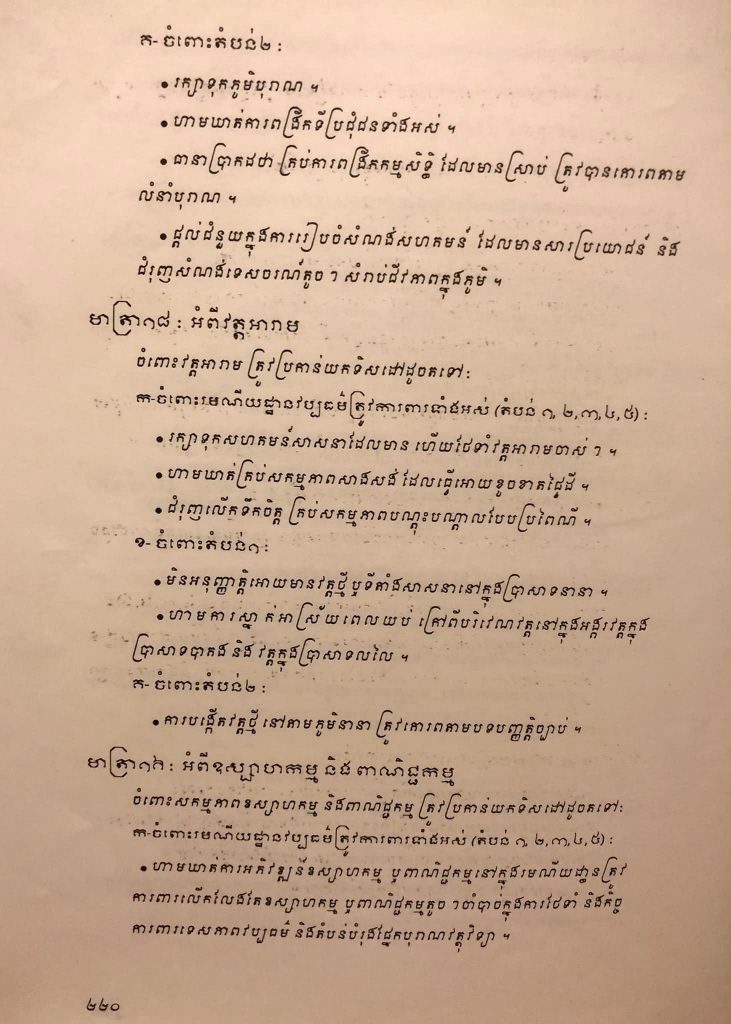
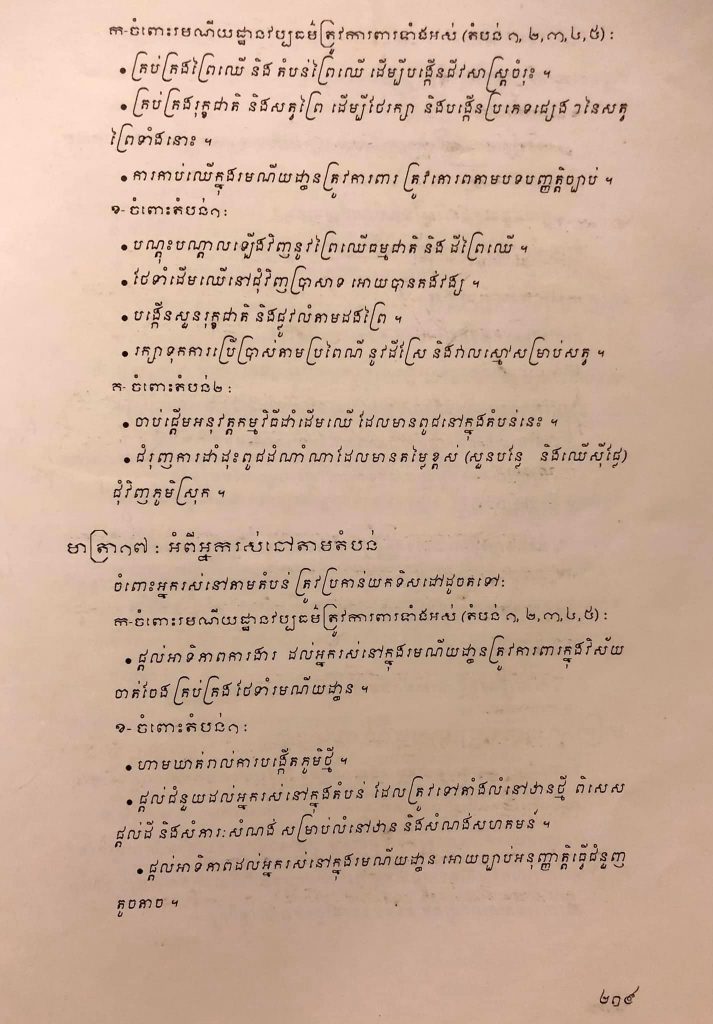
រដ្ឋសភាខ្មែររវល់កែប្រែរដ្ឋធម្មនុញ្ញអនុញ្ញាតអោយដកសញ្ជាតិខ្មែរពីកំណេីត តោះមេីលប្រវត្តិការធ្វេីវិសោធនកម្ម

រដ្ឋសភាខ្មែររវល់កែប្រែរដ្ឋធម្មនុញ្ញអនុញ្ញាតអោយដកសញ្ជាតិខ្មែរពីកំណេីត តោះមេីលប្រវត្តិការធ្វេីវិសោធនកម្ម

V. Conclusion

Constitutional amendments in Cambodia are relatively unremarkable if measured quantitatively. Eleven amendments being made over the course of three decades might be considered a relatively high frequency, but not to the extent of being a cause of existential concern. Rather, amendment practice in Cambodia is interesting for a number of deeper, qualitative reasons. First, in many ways echoing the constitution-making process in 1993, the amendment process provided for by the Constitution is remarkably non-participatory. This, I would argue, reflects the extent to which the former process (a) took place before participation came to be seen as an international norm, 106 (b) was a product of a peace-making process that brought to an end a long period of civil war, and (c) was understood as a pact between the elites who led the parties to that conflict. 107 Hence, while the Cambodian Constitution has come to structure many everyday political contestations, with constitutional principles and vocabularies being cited by Cambodians from outside the political elite, formal amendment practice – and the institutions that enact it – has been largely dominated by Cambodia’s political elites, to the exclusion of other voices.

Hence, amendment practice in Cambodia can be understood to have been focused on adjusting, and ultimately undermining, the elite political settlement that underlay the 1993 constitution-making process. Since the peace-building and democratisation process – in which the 1993 constitution-making process was embedded – was itself precipitated by an effective stalemate between the parties to Cambodia’s long-running civil war, and since the results of the 1993, UN-administered elections failed to return a conclusive win for any one party, Cambodia’s post-conflict constitutional order prioritised power-sharing. In the decade or so aſter 1993, amendment practice was characterised by the uneasy pursuit of power-sharing arrangements by political parties that increasingly distrusted one another. Hence, amendments have been focused almost entirely either on adjusting political processes relating to the formation of coalition governments aſter an election, or on establishing new institutions to placate coalition partners and their clients. As such, amendment practice from this time supports the assessment of Laurrie Nathan, that ‘ signing a peace accord does not necessarily mark the end of the conflict resolution process, which might extend into the constitution-making phase’, such that the latter becomes ‘an arena of contestation and an opportunity to renegotiate the terms of the CPA [comprehensive peace agreement]’. 108 Taking this insight a step further, evidence from Cambodia also suggests that amendment practice in the years thereaſter might also provide insights into the aſterlife of a peace agreement.

Reflecting the gradual deterioration and eventual disintegration in Cambodia’s post-conflict political settlement, then, amendment practice in Cambodia has substantively shiſted. Specifically, whereas amendments between 1994 and 2014 (inclusive) were geared towards securing compromises and facilitating coalitions between political parties (and their respective elites), those amendments that came in 2018 have subsequently sought to consolidate and legitimise the dominance of the CPP. In the latter regard, recent amendments have either precluded the CPP’s opponents from competing in elections or holding high-office, and centralised power over the formation of new governments in the hands of political parties rather than the National Assembly. It is also interesting to note, here, the extent to which the shiſt in amendment practice has been procedural as well as substantive. Of course, one should be careful not to overstate the role of the National Assembly in the first two and a half decades aſter 1993, given the extent to which the Parliament was considered to be weak and bereſt of confidence. Nevertheless, Cambodia’s transition – which has elsewhere been called ‘backsliding’ or ‘reautocratisation’ – has been reflected not only in the substance of constitutional amendments, but also – procedurally – in the fact that constitutional amendments that used to emerge primarily from the legislature branch now tend to emerge (at least unofficially) from the executive branch.


Performing Peace Through Conflict: Cambodia’s “Thank You Peace” Rhetoric and the 2025 Border Clashes with Thailand

Commentary | Soksamphoas Im,

Performing Peace Through Conflict: Cambodia’s “Thank You Peace” Rhetoric and the 2025 Border Clashes with Thailand

Source: Critical Asia Studies (CAS)

In May 2025, tensions reemerged once again along the contested Cambodia–Thailand border near Preah Vihear temple, where a Cambodian soldier was killed during a military clash with Thai troops. What began as a deadly encounter evolved into an escalating confrontation involving artillery exchanges took place from July 24 to 28, 2025 – and, most notably, a leaked 17-minute phone call between Cambodia’s Senate President and former Prime Minister Hun Sen and Thailand’s suspended Prime Minister Paetongtarn Shinawatra. This call, in which the two former leaders discussed political turbulence and the border closure, quickly went viral after Hun Sen publicized it on social media, further stoking nationalist fervor on both sides.

While these developments reignited regional concerns about the fragile peace in mainland Southeast Asia, many commentaries have remained narrowly focused on Thailand’s domestic political instability or Hun Sen’s reputation as a political tactician. These interpretations are not without merit. However, they fail to fully account for the deeper symbolic logic that shapes the Cambodian regime’s response to external conflict: the ideological consolidation of “peace” as both a sacred achievement and a legitimizing narrative for authoritarian rule. In this light, the 2025 skirmish should not be seen as a separate discourse from Cambodia’s “peace at all costs” rhetoric but rather as a performance that paradoxically reinforces it.

Manufacturing Peace, Performing Power and Justice

At the heart of the Cambodian People’s Party (CPP)’s claim to legitimacy lies its carefully curated image as the guardian of peace. After more than three decades in power, former Prime Minister Hun Sen has sought to cement his legacy as the leader who brought Cambodia out of decades of civil war, culminating in the defeat and reintegration of the Khmer Rouge remnants in 1998 through his much-touted “win-win policy.” In the years since, this narrative has not only been enshrined in public monuments – most prominently the 54-meter-high Win-Win Monument unveiled in 2018 – but also embedded in public discourse through a ubiquitous slogan: “Thank you peace(Arkun Santepheap).

Introduced formally in January 2020, the “Thank you peace” campaign calls upon Cambodians to appreciate the sacrifices that led to the nation’s stability and to remain vigilant in its defense. The slogan has since been plastered across ministries, hospitals, schools, and public billboards, becoming a daily mantra of political loyalty. It is a reminder that peace is not merely a historical event, but a present condition maintained by the CPP, and by extension, Hun Sen himself. As peace is turned into a commodity and a brand, dissent becomes not just politically dangerous but morally suspect.

This domestic mythology raises a critical question: if peace is such a foundational narrative for the CPP, why risk a conflict with Thailand that threatens to unravel it? Why would a country with limited military capability, economic dependency, and diplomatic vulnerability provoke a skirmish it can scarcely afford?

Conflict as Continuity

It is precisely this paradox that reveals the regime’s deeper political strategy. Rather than contradicting the peace narrative, the border clash with Thailand functions as an instrument to reassert and dramatize it. Peace, in this schema, is not merely the absence of war – it is a condition that must be perpetually defended. Conflict, when framed correctly, reinforces the myth of peace as a fragile and hard-won prize that only the ruling elite can secure.

In this sense, the 2025 conflict is a continuation, not a departure, from the regime’s ideological project. The “enemy at the gate” – whether it be domestic dissidents, foreign critics, or rival neighbors – becomes a rhetorical device to solidify internal unity. The border becomes both a geographical frontier and a symbolic line separating chaos from order, the past from the present, and, most critically, Hun Sen’s Cambodia from the one that came before.

This framing helps explain why Hun Sen’s decision to publicize the phone call with Paetongtarn Shinawatra was not a diplomatic faux past but a calculated strategy of irregular warfare. It externalized Cambodia’s grievances, redirected domestic anxieties toward a foreign adversary, and cast the Cambodian leadership as transparent and resolute in the face of foreign aggression. Even critics within Cambodia found it difficult to openly oppose the government’s handling of the crisis, lest they appear unpatriotic.

A Calculated Risk Amid Economic Headwinds

That said, the risks of confrontation were real and potentially costly – especially in economic terms. In April 2025, the Trump administration announced a 49% tariff on Cambodian exports to the United States, citing trade imbalances. This decision struck a major blow to Cambodia’s already fragile economy, particularly its textiles and apparel sector. Yet rather than retreat into isolationism in the global economy, the Cambodian government quickly initiated diplomatic negotiations with Washington D.C. The first round of trade talks was held in May in Washington, D.C., resulted in a gradual easing of the tariff – first down to 36%, and then to 19% as announced on August 1, 2025 – making Cambodia becoming a competitive trade partner like its regional neighbors.

Given these efforts to reduce economic pressure and rehabilitate ties with the United States, it would be politically and financially counterintuitive for Cambodia to instigate a war merely to distract from domestic challenges. Contrary to accusations by Thai commentators such as Thanachate Wisaijorn and former Ambassador Pisan Manawapat, the Cambodian government’s actions suggest a dual strategy: using conflict as a unifying nationalist spectacle while simultaneously pursuing pragmatic diplomacy to stabilize external relationships.

Nationalist Mobilization in the Social Media Age

What is especially noteworthy about the 2025 skirmish is how it catalyzed an emotional and symbolic response among younger Cambodians – many of whom were born after the war and raised in the relative stability of the post-Khmer Rouge era in the 1990s and 2000s. For this generation, the border conflict was a jolting reminder of the fragility of peace. The images of displaced civilians, wounded soldiers, and cratered landscapes went viral on Facebook, Instagram, TikTok, and X – sparking a wave of patriotic sentiment rarely seen in recent years.

Actors, influencers, and civil society groups joined the call to “stand with our troops,” organizing donation drives, posting messages of solidarity, and even boycotting Thai businesses. A Cambodian famous rapper, VannDa, arguably Cambodia’s most popular contemporary music artist, released a song title, “We Will Never Forget” on August 1, 2025, amassed over 350K views in less than 10 hours after its release. Some young entrepreneurs and content creators such as Pich Pisey pledged to shift their supply chains to local Cambodian producers. Others invoked history, recalling past struggles for territorial sovereignty, to amplify the stakes of the moment.

This groundswell of emotion, while partly organic, was also subtly orchestrated. Government-aligned media outlets and social media campaigns highlighted heroic narratives, emphasized unity, and framed criticism of the conflict as ungrateful to the sacrifices of those defending the nation. In doing so, the ruling CPP effectively turned a geopolitical crisis into a reaffirmation of national purpose – at least for the moment.

Strategic Diplomacy and the Rebalancing Act

Read more…

សញ្ញាសេដ្ឋកិច្ចចិនកំពុងជួបហានីយភ័យនិងការដួលរលំនៅទីបំផុត

សញ្ញាសេដ្ឋកិច្ចចិនកំពុងជួបហានីយភ័យនិងការដួលរលំនៅទីបំផុត៖


១. ចិនផលិតនាំចេញជាង១៩.40%នៃGDPសរុប ដែលកំលាំងទិញផ្ទៃក្នុងមិនអាចទប់ទល់បានទេពេលប្រឈមពន្ធពាណិជ្ជកម្មខ្ពស់ទៅអាមេរិកដូចសព្វថ្ងៃ ផលិតច្រេីនល្អ(more products) តែបេីលក់អត់ចេញវាក្លាយជាបន្ទុក(liabilities)


២. ប្រជាជនចិនមានផ្នត់គំនិតសន្សំដូចខ្មែរយេីងដែរ(saving more than spending) ដែលការណ៍នេះធ្វេីអោយសេដ្ឋកិច្ចជាតិទាំងមូលបាត់បង់នៅលំហូរសាច់ប្រាក់(liquidity) ទន្ទឹមនឹងខ្វះគោលនយោបាយអោយពលរដ្ឋចំណាយជាងសន្សំដូចជាប្រាក់ចូលនិវត្សន៍តិចតួចនិងមិនបានគ្រប់គ្នា(lack pension and retirement incentives) ផ្សាភាគហ៊ុន(stock market)ចិនមិនឡេីងសោះព្រោះពលរដ្ឋទិញភាគច្រេីនបែរប្រឹងទិញមាស-សន្សំប្រាក់សុទ្ធក្រោមខ្នេីយ-ឬទិញអចលនទ្រព្យ។ ផ្ទុយពីប្រទេសសេរីកាណាដាឬអាមេរិក #ផ្នត់គំនិត ប្រជាពលរដ្ឋមិនសន្សំទេគឺវិនិយោគច្រេីនទៅលេីផ្សាភាគហ៊ុនដែលអាចអោយក្រុមហ៊ុនបង្កេីតផលិតភាពពង្រីកសេដ្ឋកិច្ច និងពលរដ្ឋគ្រប់គ្នាមានជំនឿទីពឹងក្នុងចិត្តថាអាយុចូលនិវត្សន៍នឹងមានចំណូលគ្រប់គ្រាន់សម្រាប់រស់នៅប្រកបដោយភាពថ្លៃថ្នូរ។


៣. ស៊ី ជិងពិង ជាអ្នកកំណត់អត្រាល្បឿនសេដ្ឋកិច្ចរាល់ឆ្នាំតាមរយះកម្មវិធីសេដ្ឋកិច្ចប្រមូលផ្តុំ(state-enterprized economics) មិនមែនសេដ្ឋកិច្ចឯកជនូបនីយកម្ម(privatization economics)ទេ ដូចជារដ្ឋអនុមតិកម្ចីការប្រាក់ទាបព្រោះខ្លួនចង់កសាងផ្ទះអោយច្រេីន ផ្លូវថ្នល់ ផ្លូវរថភ្លេីង និងពង្រឹងខ្សែក្រវ៉ាត់មួយផ្លូវមួយ(BRI)អោយបានច្រេីនព្រមទាំងដាក់មនុស្សបក្សទៅអង្គុយជាសមាជិកក្រុមប្រឹក្សាភិបាលឃ្លាំមេីលដែលសព្វថ្ងៃចិនកំពុងជួយបប្រទះវិបត្តិផ្ទះលក់អត់ចេញ ករណីការប្រកាសក្ស័យទុនក្រុមហ៊ុនយក្សផ្នែកអចលនទ្រព្យដូចជា Evergrande Group, Country Garden, Kaisa Group និង Fantasica Holdings etc. ករណីរដ្ឋលស់យក(buying out) Evergrande គឺជាកំសោយទុនជាតិសម្រាប់ជួយកម្មវិធីផ្សេង ព្រមទាំងផ្លូវ រថភ្លេីង ខ្វះមនុស្សខាតបង់ចំណូលខ្ពស់។ ករណីBRIនៅក្រៅប្រទេសគឺជាអន្ទាក់បំណុល(debt traps)ដេីម្បីចិនមានឥទ្ធិពលទៅគ្រប់គ្រងគោលនយោបាយប្រទេសនោះៗនិងទៅចាត់ចែងសម្បត្តិធម្មជាតិឬអាចបណ្តោះនិងបញ្ជូនឧក្រិដ្ឋជនរបស់ខ្លួនករណីកម្ពុជាជាឧទាហរណ៍ស្រាប់។

ខាងក្រោមនេះជាការបង្ហាញលំអិតបន្ថែមដោយប្រព័ន្ធAI ៖
សូចនាករជាច្រើនបង្ហាញពីសក្តានុពលសេដ្ឋកិច្ចសម្រាប់ប្រទេសចិន រួមទាំងបរិត្តផរណា ការចំណាយរបស់អ្នកប្រើប្រាស់ខ្សោយ វិស័យអចលនទ្រព្យដែលកំពុងជួបការលំបាក និងការព្រួយបារម្ភអំពីកម្រិតបំណុល។ កត្តាទាំងនេះ រួមជាមួយនឹងកម្លាំងពលកម្មធ្លាក់ចុះ និងការធ្លាក់ចុះនៃកំណើនផលិតភាព ធ្វើឱ្យមានការព្រួយបារម្ភអំពីសមត្ថភាពរបស់ប្រទេសនេះក្នុងការរក្សាគន្លងសេដ្ឋកិច្ចរបស់ខ្លួន។

នេះជាការមើលលម្អិតបន្ថែមទៀតអំពីសញ្ញាដែលអាចកើតមាន៖
1. បរិត្តផរណា និងការចំណាយរបស់អ្នកប្រើប្រាស់ខ្សោយ៖
សម្ពាធបរិត្តផរណា៖
ប្រទេសចិនបាននិងកំពុងជួបប្រទះនឹងតម្លៃសេដ្ឋកិច្ចធ្លាក់ចុះ ដោយអតិផរណាអ្នកប្រើប្រាស់ទាបជាងសូន្យក្នុងរយៈពេល 3 ខែកន្លងមកនេះ នេះបើយោងតាមក្រុមហ៊ុន Yahoo Finance ។

តម្រូវការក្នុងស្រុកធ្លាក់ចុះ៖
ការចំណាយរបស់អ្នកប្រើប្រាស់ខ្សោយ និងវិធីសាស្រ្តប្រុងប្រយ័ត្នចំពោះការចាយវាយប្រចាំថ្ងៃ គឺជាសញ្ញាបង្ហាញថាអ្នកប្រើប្រាស់មិនឈានជើងចូលប្រកបដោយថាមពលទេ បើទោះបីជាទំនិញកើនឡើង និងតម្លៃធ្លាក់ចុះក៏ដោយ។

ការប្រើប្រាស់តិច៖
សេដ្ឋកិច្ចចិនត្រូវបានកំណត់លក្ខណៈដោយការផលិតហួសកម្រិតយូរយារមកហេីយ និងការប្រើប្រាស់តិចជាប់ៗគ្នា យោងទស្សនាវដ្តី Forbes ។

2. បញ្ហាប្រឈមក្នុងវិស័យអចលនទ្រព្យ៖
ភាពតានតឹងដែលកំពុងបន្ត៖
វិស័យអចលនទ្រព្យនៅតែស្ថិតក្រោមភាពតានតឹង ដោយប៉ះពាល់ផ្ទាល់ទ្រព្យសម្បត្តិគ្រួសារ និងបំណងចង់បានរបស់ធំ។
វិបត្តិអចលនទ្រព្យ៖
វិបត្តិអចលនទ្រព្យបានកេីតកាន់តែខ្លាំងឡើង ដោយក្រុមហ៊ុនដូចជា Evergrande ប្រឈមមុខនឹងបញ្ហាលំហូរសាច់ប្រាក់ និងការទូទាត់ទ្រព្យសកម្ម នេះបើយោងតាម ​​Big Think ។
ការសាងសង់ច្រេីនហួសហេតុ៖
លទ្ធផល​នៃ​ការ​ពង្រីក​យ៉ាង​ឆាប់​រហ័ស​គឺ​ការ​សាងសង់​លើស​ចំណុះ​ជា​ប្រវត្តិសាស្ត្រ ដោយ​ប្រទេស​ចិន​មាន​សក្តានុពល​មាន​អាផាតមិន​ទំនេរ​គ្រប់គ្រាន់​សម្រាប់ជា​ផ្ទះ​ប្រជាជន​ទាំងមូល។

3. បញ្ហាបំណុល៖
បំណុលរដ្ឋាភិបាលក្នុងស្រុកខ្ពស់៖
បំណុលរបស់រដ្ឋាភិបាលក្នុងរដ្ឋបាលតំបន់នៅតែខ្ពស់ ដែលត្រូវបានជំរុញដោយឱនភាពសារពើពន្ធ និងការធ្លាក់ចុះនៃប្រាក់ចំណូលដីធ្លី នេះ បើយោងតាម ​​Fair Observer ។
វិបត្តិបំណុល៖
សេដ្ឋកិច្ច​របស់​ប្រទេស​ចិន​កំពុង​ជួប​ប្រទះ​នឹង​វិបត្តិ​បំណុល​ដែល​កំពុង​កើន​ឡើង ជា​ពិសេស​នៅ​កម្រិត​រដ្ឋភិបាល​តំបន់ នេះ ​បើ​យោង​តាម Fair Observer ។
ក្រុមហ៊ុនជំពាក់បំណុលគេ៖
ក្រុមហ៊ុនដូចជា Evergrande បានក្លាយជាជាប់បំណុលខ្ពស់ ដែលជាចំណែកបញ្ហាប្រឈមក្នុងវិស័យអចលនទ្រព្យ។

៤.កត្តាផ្សេងៗ៖
ការសម្រកកម្លាំងពលកម្ម៖
កម្លាំង​ពលកម្ម​របស់​ប្រទេស​ចិន​កំពុង​រួម​តូច ហើយ​អត្រា​មាន​កូន​របស់​ចិន​មាន​កម្រិត​ទាប ដូច​ដែល​បាន​កត់​សម្គាល់​នៅ​លើ Reddit ។

កំណើនផលិតភាពយឺត៖
កំណើនផលិតភាពបានថយចុះមកត្រឹមប្រហែល 1 ភាគរយក្នុងមួយឆ្នាំក្នុងរយៈពេលមួយទសវត្សរ៍កន្លងមកនេះ។

ទំនុកចិត្តអ្នកបរិភោគ/ប្រើប្រាស់ខ្សោយ៖
យោងតាមគេហទំព័រ Worldcrunch បានឱ្យ ដឹងថា សន្ទស្សន៍ទំនុកចិត្តអ្នកប្រើប្រាស់របស់ប្រទេសចិនបានធ្លាក់ចុះដល់កម្រិតទាបជាប្រវត្តិសាស្ត្រក្នុងអំឡុងយុគសម័យសូន្យ-COVID ហើយមិនដែលត្រលប់មកវិញទេ នេះ បើយោងតាម ​​Worldcrunch ។

5. លំហូរចេញមូលធន និងការវិនិយោគបរទេស៖
មូលធនហោះហើរ៖ មានលំហូរចេញគួរឱ្យកត់សម្គាល់នៃក្រុមហ៊ុន និងដើមទុនចេញពីប្រទេសចិន។
ការដួលរលំនៃការវិនិយោគបរទេស៖ ការដួលរលំនៃការវិនិយោគបរទេសគឺជាសញ្ញាមួយផ្សេងទៀតនៃអស្ថិរភាពសេដ្ឋកិច្ច កំណត់សម្គាល់របស់ Forbes ។

ខណៈពេលដែលសេដ្ឋកិច្ចរបស់ប្រទេសចិនកំពុងប្រឈមមុខនឹងបញ្ហា វាជារឿងសំខាន់ដែលត្រូវកត់សម្គាល់ថា វាមិនចាំបាច់នៅលើជ្រុងចោទនៃការដួលរលំនោះទេ។ អ្នកវិភាគខ្លះផ្តល់យោបល់ថា ទាំងនេះគឺជាបញ្ហារចនាសម្ព័ន្ធដែលអាចត្រូវការពេលវេលាដើម្បីដោះស្រាយ ហើយថាប្រទេសចិនអាចសម្របខ្លួន និងងើបឡើងវិញបាន។ ទោះជាយ៉ាងណាក៏ដោយ ការរួមបញ្ចូលគ្នានៃកត្តាទាំងនេះធ្វើឱ្យមានការព្រួយបារម្ភអំពីកំណើនសេដ្ឋកិច្ច និងស្ថិរភាពរបស់ប្រទេសនេះនាពេលអនាគត។

ប្រភព៖

AI on signs of Chinese economics collapes

https://www.youtube.com/watch?v=f34y0mo4W14
https://www.youtube.com/watch?v=X06ynCq0Pcg

Policies and Patterns: State-Abetted Transnational Crime in Cambodia as a Global Security Threat

(បកប្រែក្រៅផ្លូវការចំណុចសំខាន់មួយចំនួន)

Policies and Patterns: State-Abetted Transnational Crime in Cambodia as a Global Security Threat គោលនយោបាយ និងលំនាំ៖ ឧក្រិដ្ឋកម្មឆ្លងដែនដែលប្រព្រឹត្តដោយរដ្ឋនៅកម្ពុជា ជាការគំរាមកំហែងសន្តិសុខសកល

Source: https://www.humanity-consultancy.com/publications/policies-and-patterns-state-abetted-transnational-crime-in-cambodia-as-a-global-security-threat

ប្រអប់ទី 2. កំណត់ចំណាំប្រុងប្រយ័ត្នស្តីពីការកាត់បន្ថយគ្រោះថ្នាក់

ដូច​អ្នក​សម្ភាសន៍​ម្នាក់​បាន​និយាយ​ថា “អ្នក​យល់​ឃើញ​តែ​ពី​រឿង​នេះ​នៅ​ពេល​ដែល​អ្នក​ចាប់​ផ្ដើម​មើល​ប្រទេស​កម្ពុជា​ជា​ប្រទេស​រដ្ឋម៉ាហ្វីយ៉ាពិតមួយប៉ុណ្ណោះ”។ ពួក​គេ​បាន​បន្ត​ផ្តល់​យោបល់​ថា នៅ​ពេល​ការ​ហក់យក​គំនិត​នេះ​ត្រូវ​បាន​ធ្វើ​ឡើង អ្នក​សង្កេត​ការណ៍​ត្រូវ​តែ​ទទួលស្គាល់ថា “អ្វីដែលអ្នកអាចធ្វើបានជាក់ស្តែងគឺធ្វើឱ្យវាកាន់តែលំបាកសម្រាប់ពួកគេដើម្បីឱ្យមានភាពក្លាហាន គួររុញពួកគេចេញទៅក្រោយវាំងននបន្តិច”។

ខណៈពេលដែលការសន្និដ្ឋាននៃការសិក្សានេះគាំទ្រយ៉ាងខ្លាំងនូវស្មារតីមួយនេះ វិធីសាស្រ្តមួយក្នុងការផ្តល់អាទិភាពដល់ “ការសំរួលអប្បបរមានៃគ្រោះថ្នាក់” មិនមែនជាជ័យជម្នះដែលធានា ឬដោយគ្មានហានិភ័យផ្ទាល់ខ្លួនរបស់វាឡើយនូវការខូចខាតពីការដាក់គ្រឿងបញ្ចាំ។ ហានិភ័យទាំងនេះអាចត្រូវបានមើលយ៉ាងទូលំទូលាយថាជាការកំណត់ប្រភេទទាំង៣ខាងក្រោម៖

ទី​មួយ​គឺ​ឥទ្ធិពល​ហៀរកំពប់​ដ៏​មាន​សក្តានុពល​មក​លើ​ប្រជាជន​កម្ពុជា​ដែល​ងាយ​រងគ្រោះ។ ជាពិសេស FATF បញ្ជីពណ៌ប្រផេះ អាចត្រូវ​បាន​គេ​មើល​ឃើញ​ថា​ជា​ទម្រង់​នៃ​ការ​ដាក់​ទណ្ឌកម្ម​ដ៏ទូលំទូលាយ​ដែល​មាន​ឥទ្ធិពល​ទំហំ​នៃ​ការ​ធ្លាក់​ចុះ 7.6% ក្នុងការវិនិយោគដើមទុននៅក្នុងប្រទេសដែលបានចុះបញ្ជី។

ខណៈពេលដែលការចាប់យកសកម្មភាពសេដ្ឋកិច្ចប្រកបដោយផលិតភាពដោយឥស្សរជនកម្ពុជា ធានាបានថា វិធានការដាក់ទណ្ឌកម្មរបស់ FATF នឹងជះឥទ្ធិពលដល់គោលដៅដែលបានគ្រោងទុក ហើយចំនួនប្រជាជនដាច់ស្រយាលក៏នឹងរងផលប៉ះពាល់ផងដែរ ទន្ទឹមនឹងមូលធនសកលធ្លាក់ចុះ។ រដ្ឋាភិបាល​ដែល​មាន​ការ​ព្រួយ​បារម្ភ​ គួរ​តែ​ត្រៀម​ខ្លួនកៀរគរ​ទប់ទល់នឹងផល​ប៉ះពាល់​ដែល​​ហៀរកំពប់ ​នៅពេល​ដែលទំហំប៉ះពាល់​ជ្រៀតចូលដល់​កម្លាំង​ពលកម្ម​កម្ពុជា។

ទីពីរ មាន​ការ​ព្រួយ​បារម្ភ​ក្នុង​រដ្ឋាភិបាល​លោក​ខាង​លិច​ដែល​កម្ពុជា​កំពុង​រសាត់​ទៅ​រក
ប្រទេសចិន និងថាយុទ្ធសាស្ត្រ “កាត់បន្ថយគ្រោះថ្នាក់” ដាច់ដោយឡែកមួយអាចបង្កើនល្បឿននិន្នាការនេះ។ ជាទូទៅអ្នកសម្ភាសន៍បានជំទាស់នឹងតក្កវិជ្ជានេះ។ ខណៈ​ដែល​មនុស្ស​ស្ទើរ​តែ​ទាំង​អស់​បាន​ចាត់​ទុក​ថា​វា​ជា​ការ​ពិត​របស់​កម្ពុជាដែលឥឡូវនេះភាគច្រើនថាធ្លាក់ទៅក្នុងគោចរអំណាចផ្តាច់មុខ (hegemonic orbit) របស់ប្រទេសចិន មានមនុស្សតិចតួចបានយល់ស្របថាការកំណត់ថ្លៃបន្ថែមនេះនឹងបង្កើនល្បឿនវិថីគោចរនេះ។ អ្នក​សម្ភាសន៍​ជា​ច្រើន​នាក់​ បាន​ចង្អុល​ទៅ​ការ​មិន​អាច​ដក​ខ្លួន​បាន​របស់​កម្ពុជា ក្នុងការរអិលធ្លាក់​ទៅ​ក្នុង​គោចរនេះ ទោះ​បី​លោក​ខាង​លិច​ភាគច្រើនបានលួងលោមនិងសហការយ៉ាងណា​ក៏ដោយ។ ឧទាហរណ៍ ពួកគេបានគូសបញ្ជាក់ពីការយកចិត្តទុកដាក់យ៉ាងខ្លាំងនៃគោលនយោបាយការបរទេសរបស់សហរដ្ឋអាមេរិកចំពោះប្រទេសកម្ពុជាក្នុងប៉ុន្មានឆ្នាំចុងក្រោយនេះ ក្នុងការទប់ស្កាត់/ការសម្របសម្រួលនៃមូលដ្ឋានកងទ័ពជើងទឹករាម ដែលផ្តល់មូលនិធិដោយប្រទេសចិន។ កិច្ចខិតខំប្រឹងប្រែងនេះ – ដែលហាក់ដូចជា ដាក់ផែនការណ៍គោល(sublimated)គោលនយោបាយការបរទេសរបស់សហរដ្ឋអាមេរិកជាងអ្វីផ្សេងទៀតនៅក្នុងព្រះរាជាណាចក្រ-ទីបំផុតបានបរាជ័យក្នុងការទប់ស្កាត់លទ្ធផលដែលគួរឱ្យភ័យខ្លាច។

អ្នកសម្ភាសន៍ផ្សេងទៀតមិនយល់ស្របទាំងស្រុងថា ហានិភ័យនៃការតម្រឹមភូមិសាស្ត្រនយោបាយបន្ថែមបន្តិចជាមួយទីក្រុងប៉េកាំង តាមរបៀបណាក៏ដោយ អាចមានលើសពីគ្រោះថ្នាក់ដែលកំពុងបន្តពីរបបនេះ ដែលអាចត្រូវ​បាន​បង្កើត​ឡើង​យ៉ាង​មាន​ន័យ​ដោយ​កិច្ច​ខិត​ខំ​ប្រឹង​ប្រែងសម្របសម្រួល​”កាត់​បន្ថយ​គ្រោះ​ថ្នាក់​”។

ហានិភ័យចុងក្រោយ និងប្រហែលជាអត្ថិភាពធំបំផុតចំពោះខ្សែបន្ទាត់អន្តរជាតិដែលពិបាកជាងចំពោះប្រទេសកម្ពុជាគឺបញ្ហាមួយដែលប៉ះពាល់ខ្លាំងដល់សង្គមស៊ីវិលក្នុងស្រុកដែលងាយរងគ្រោះខ្លាំង និងធនធានសំខាន់ៗដែលពួកគេបានប្រមូលយកមកក្នុងកិច្ចខិតខំប្រឹងប្រែងដើម្បីរារាំងគ្រោងសាងអំណាចរដ្ឋដែលជាភាគីនៃឧក្រិដ្ឋកម្មឆ្លងដែន និងសង្វាក់អេកូឡូស៊ីឧក្រិដ្ឋកម្ម ព្រមទាំងការរំលោភបំពានយ៉ាងទូលំទូលាយ។ ទាំងនេះ វានាំយើងទៅរកការអនុសាសន៍សំខាន់ៗនៃការសិក្សាបន្ទាប់។

Box 2. A Cautionary Note on Harm Minimization
As one interviewee stated, “You only make sense of this when you start to look at Cambodia as a true mafia state.” They went on to suggest that, once this conceptual leap is made, observers must recognize that “all you can realistically do is to make it more difficult for them to be so brazen, to push them back into the shadows a bit.”

While the conclusions of this study overwhelmingly endorse this sentiment, an approach prioritizing “harm minimization” is neither a guaranteed victory nor without its own risks of collateral damage. These risks can be broadly viewed as falling within three categories.
– First is the potential spillover impact on vulnerable Cambodians. FATF grey-listing in particular can
be viewed as a form of broad-brush sanctioning which has a measured impact of a 7.6% decline in capital investment in listed countries.

While widespread capture of productive economic activities by the Cambodian elite ensures that
the FATF’s punitive measure will impact its intended target, more marginal populations will also be
impacted as access to global capital recedes. Concerned governments should be prepared to
mobilize to offset spillover impacts as they reach Cambodian labor.

– Second, there is a noted apprehension in Western governments that Cambodia is drifting toward
China and that an isolating “harm minimization” strategy might accelerate this trend. In general,
interviewees objected to this logic. While almost all viewed it as objectively true that Cambodia
largely now exists within China’s hegemonic orbit, few agreed that further cost imposition would
meaningfully accelerate this trajectory. Several interviewees pointed to Cambodia’s irrevocable
slide in that direction despite years of a mostly conciliatory Western approach. For instance, they
highlighted the heavy focus of U.S. foreign policy towards Cambodia in recent years on the
prevention/mediation of a China-funded Ream Naval Base. This effort–which seemingly sublimated
all other U.S. foreign policy goals in the Kingdom–ultimately failed to prevent the feared outcome.
Other interviewees disagreed altogether that the risks of modest further geopolitical alignment
with Beijing could in any way outweigh the harms currently extending from the regime, which could
be meaningfully stemmed by a coordinated harm minimization effort.

– The final and perhaps most existential risk to a harder international line on Cambodia is the one
posed to a highly vulnerable local civil society and the vital resources they bring to bear in the
effort to constrain the state-party’s portfolio of transnational and ecological crimes, as well as its
abuses more broadly. This brings us to the study’s next key recommendation.

For your academic references, please refer to: Humanity Research Consultancy