– having regard to its previous resolutions on Cambodia,
– having regard to Rules 144(5) and 132(4) of its Rules of Procedure,
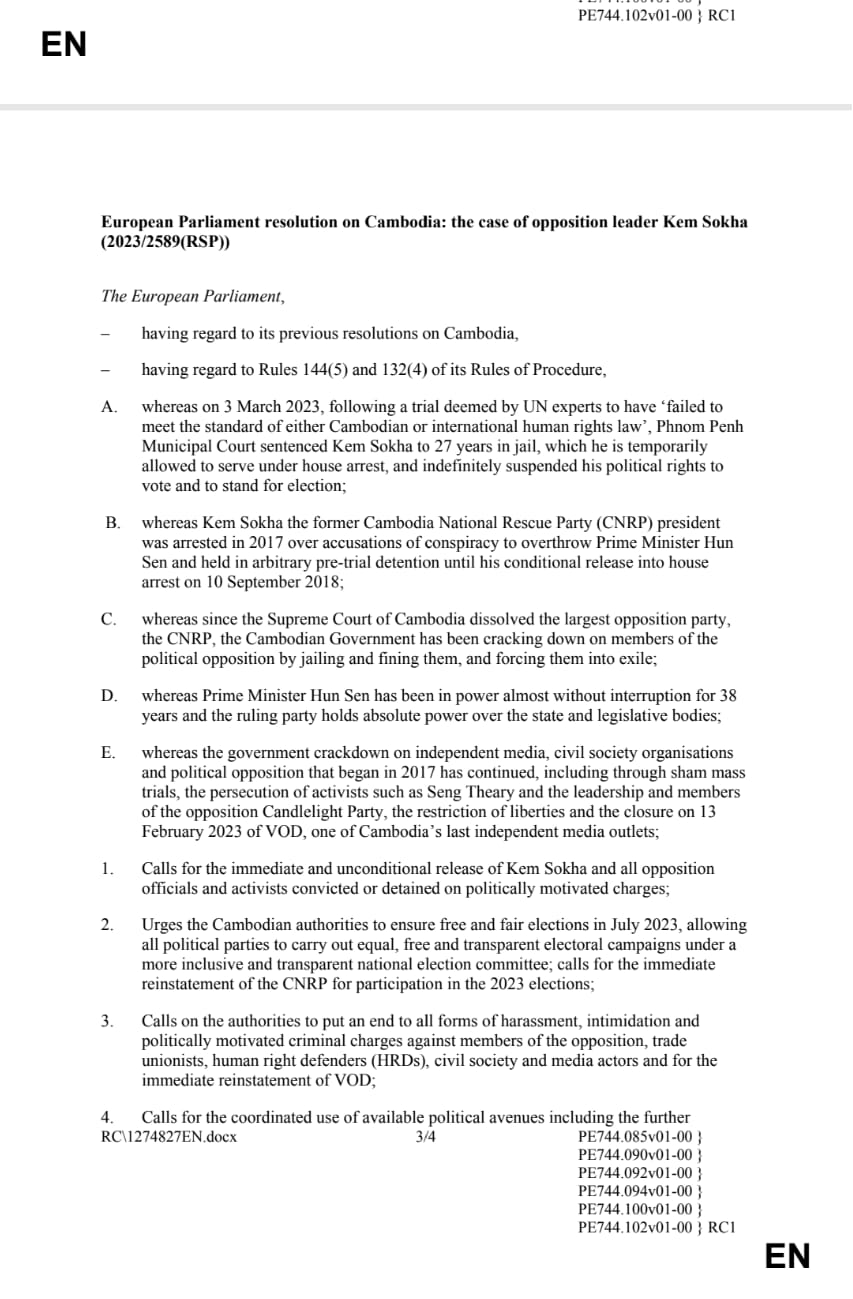
A. whereas on 3 March 2023, following a trial deemed by UN experts to have ‘failed to meet the standard of either Cambodian or international human rights law’, Phnom Penh Municipal Court sentenced Kem Sokha to 27 years in jail, which he is temporarily allowed to serve under house arrest, and indefinitely suspended his political rights to vote and to stand for election;
B. whereas Kem Sokha the former Cambodia National Rescue Party (CNRP) president was arrested in 2017 over accusations of conspiracy to overthrow Prime Minister Hun Sen and held in arbitrary pre-trial detention until his conditional release into house arrest on 10 September 2018;
C. whereas since the Supreme Court of Cambodia dissolved the largest opposition party, the CNRP, the Cambodian Government has been cracking down on members of the political opposition by jailing and fining them, and forcing them into exile;
D. whereas Prime Minister Hun Sen has been in power almost without interruption for 38 years and the ruling party holds absolute power over the state and legislative bodies;
E. whereas the government crackdown on independent media, civil society organisations and political opposition that began in 2017 has continued, including through sham mass trials, the persecution of activists such as Seng Theary and the leadership and members of the opposition Candlelight Party, the restriction of liberties and the closure on 13 February 2023 of VOD, one of Cambodia’s last independent media outlets;
1. Calls for the immediate and unconditional release of Kem Sokha and all opposition officials and activists convicted or detained on politically motivated charges;
2. Urges the Cambodian authorities to ensure free and fair elections in July 2023, allowing all political parties to carry out equal, free and transparent electoral campaigns under a more inclusive and transparent national election committee; calls for the immediate reinstatement of the CNRP for participation in the 2023 elections;
3. Calls on the authorities to put an end to all forms of harassment, intimidation and politically motivated criminal charges against members of the opposition, trade unionists, human right defenders (HRDs), civil society and media actors and for the immediate reinstatement of VOD;
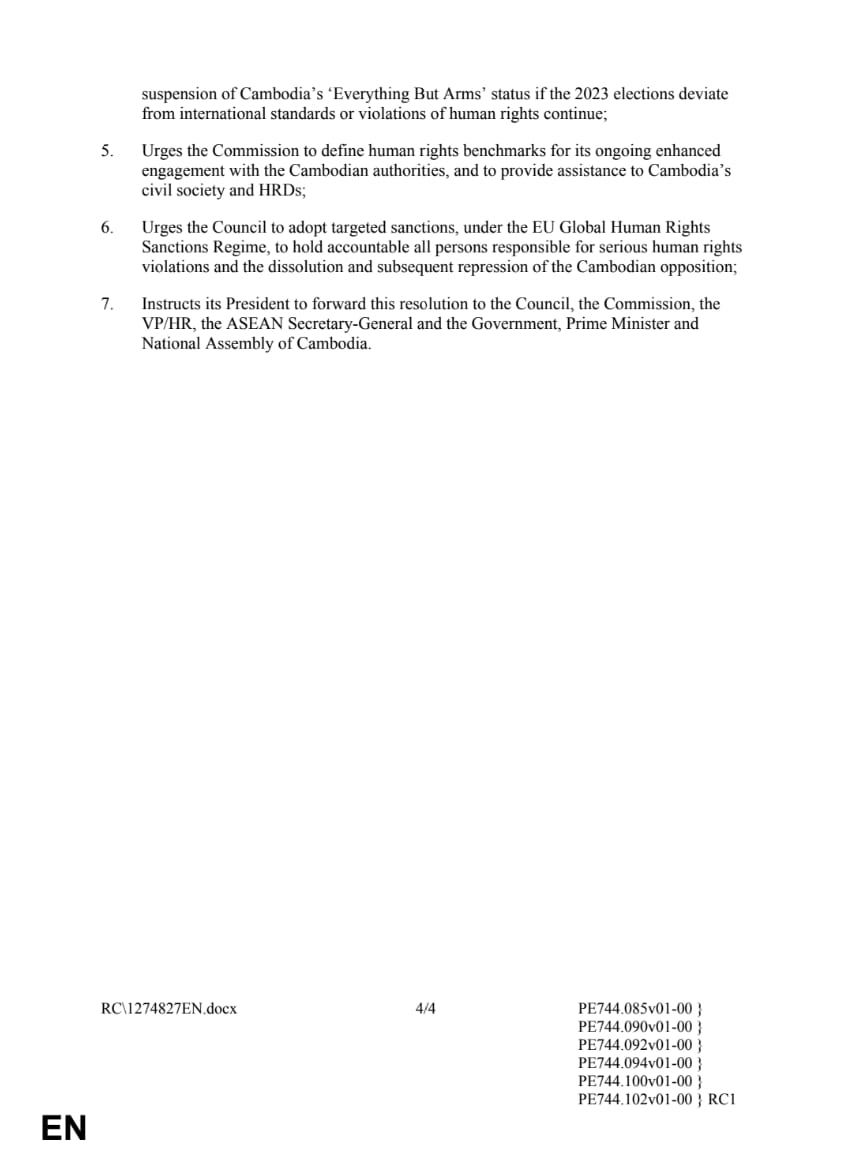
4. Calls for the coordinated use of available political avenues including the further suspension of Cambodia’s ‘Everything But Arms’ status if the 2023 elections deviate from international standards or violations of human rights continue;
5. Urges the Commission to define human rights benchmarks for its ongoing enhanced engagement with the Cambodian authorities, and to provide assistance to Cambodia’s civil society and HRDs;
6. Urges the Council to adopt targeted sanctions, under the EU Global Human Rights Sanctions Regime, to hold accountable all persons responsible for serious human rights violations and the dissolution and subsequent repression of the Cambodian opposition;
7. Instructs its President to forward this resolution to the Council, the Commission, the VP/HR, the ASEAN Secretary-General and the Government, Prime Minister and National Assembly of Cambodia.
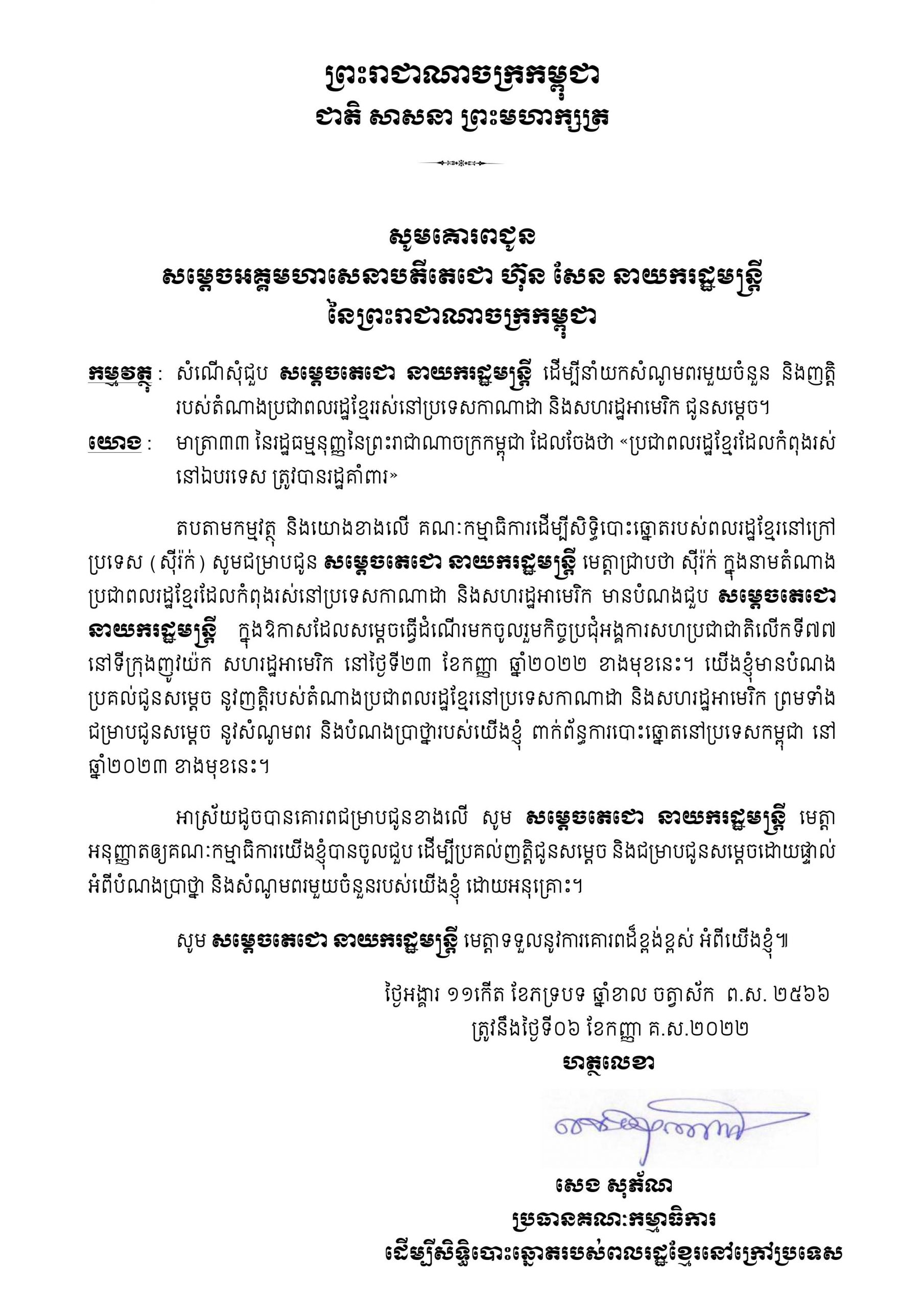
We, the Cambodian citizens living in Canada and United States of America, propose to the Royal Kingdom of Cambodia to adopt the law allowing all Cambodians overseas to exercise rights to vote in each country which they are living. This is in conformity with the Chapter 33 of the Constitution of Royal Kingdom of Cambodia stating that “Cambodian people living overseas are aided by the State”.
Majority of overseas Cambodians continue to be concerned for the welfare of their homeland and have the determination to participate in the destiny of their motherland through the elections of their representatives in Cambodia.
We understand that the process of a free, fair, just and acceptable election to ensure stability, democracy, and genuine development requires the participation of all Cambodian citizens living inside or outside of Cambodia and for them to exercise their rights to vote without barriers and obstructions. The National Election Committee (NEC) must have true independence, transparency, and integrity including opening space for democracy by allowing the participation of all those with different political beliefs and with the release of all political prisoners and prisoners of conscience and dropping all charges against all politicians in exile so that they can equally participate in the upcoming 2023 national election.
We want to see the upcoming 2023 election be conducted in a credible political environment that allows all citizens from all political beliefs to participate and be accepted by all parties and by the international community.
We want to see the upcoming election 2023 is full of credible political environment participated by all political beliefs and parties and could be accepted by all parties and international organizations.
Signatures representing Cambodians overseas living in Canada and the United States of America
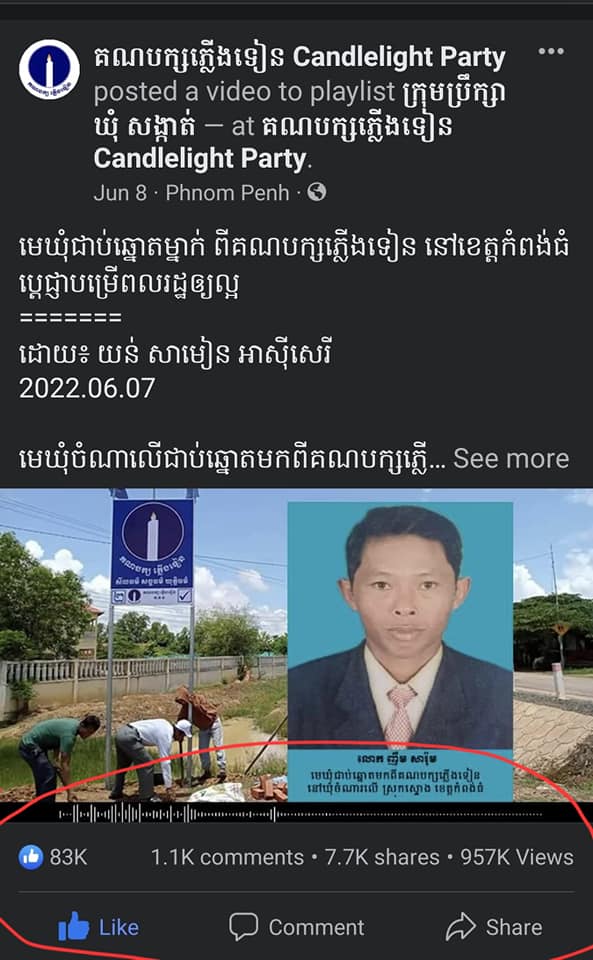
Nhim Sarom (Candlelight Party’s Facebook page)🔊 Listen to this
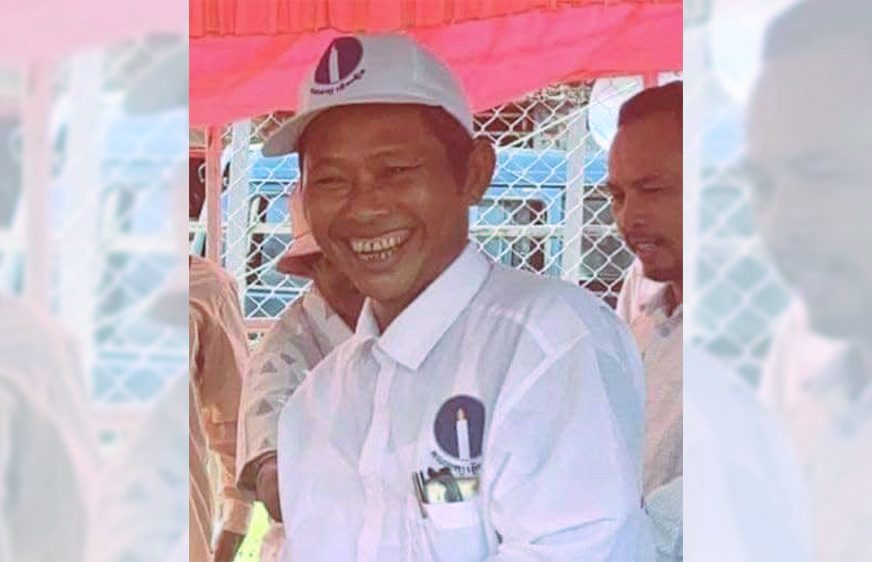
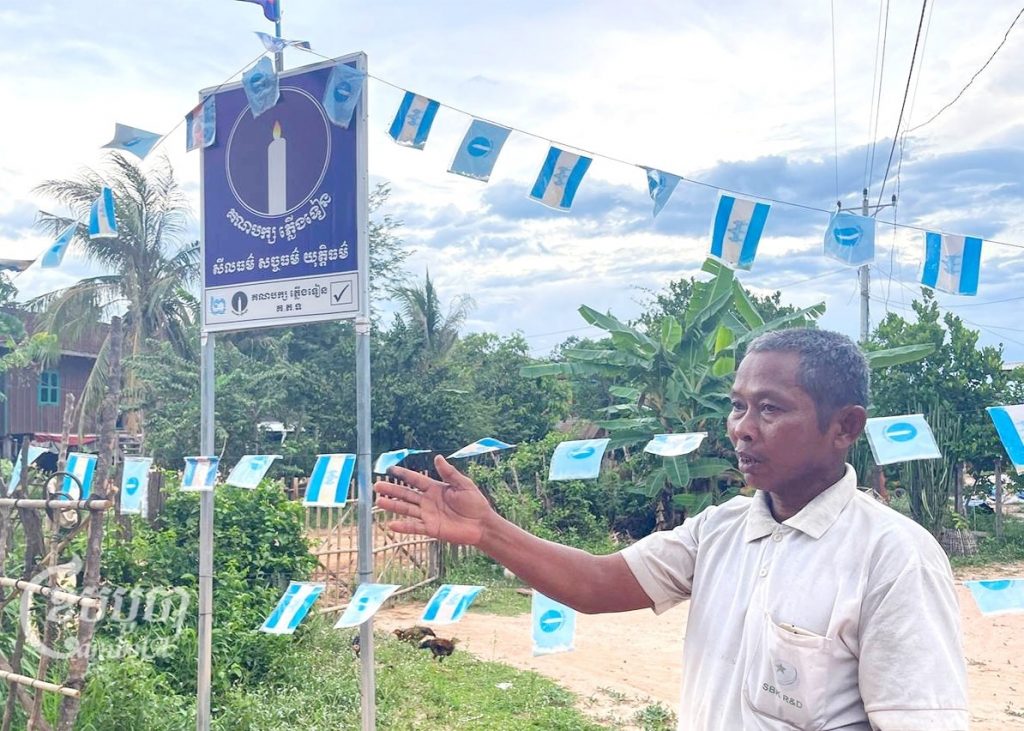
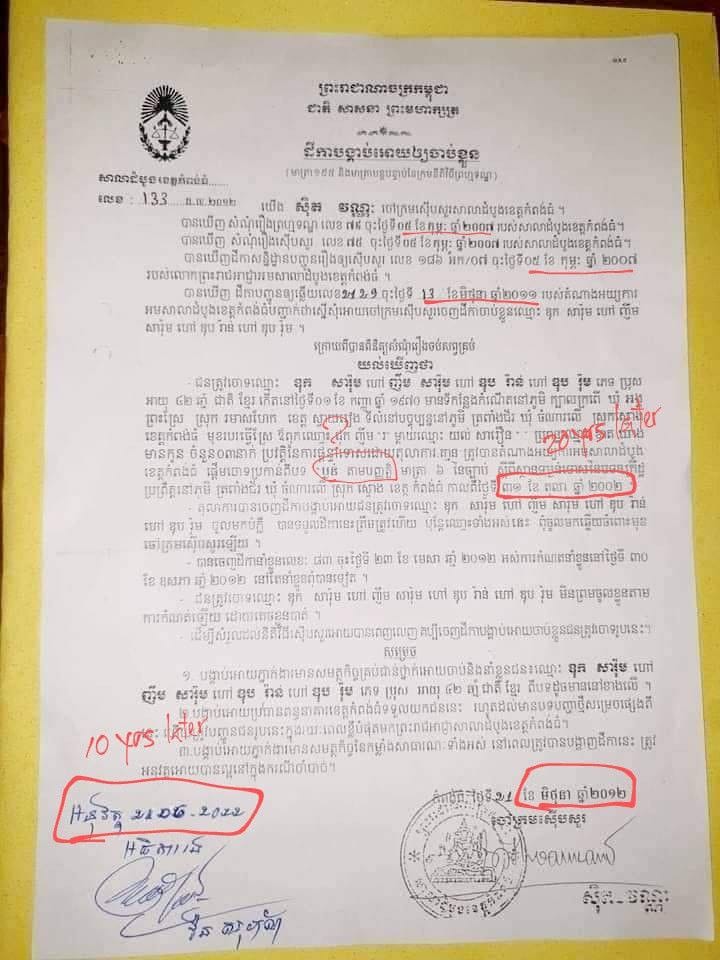
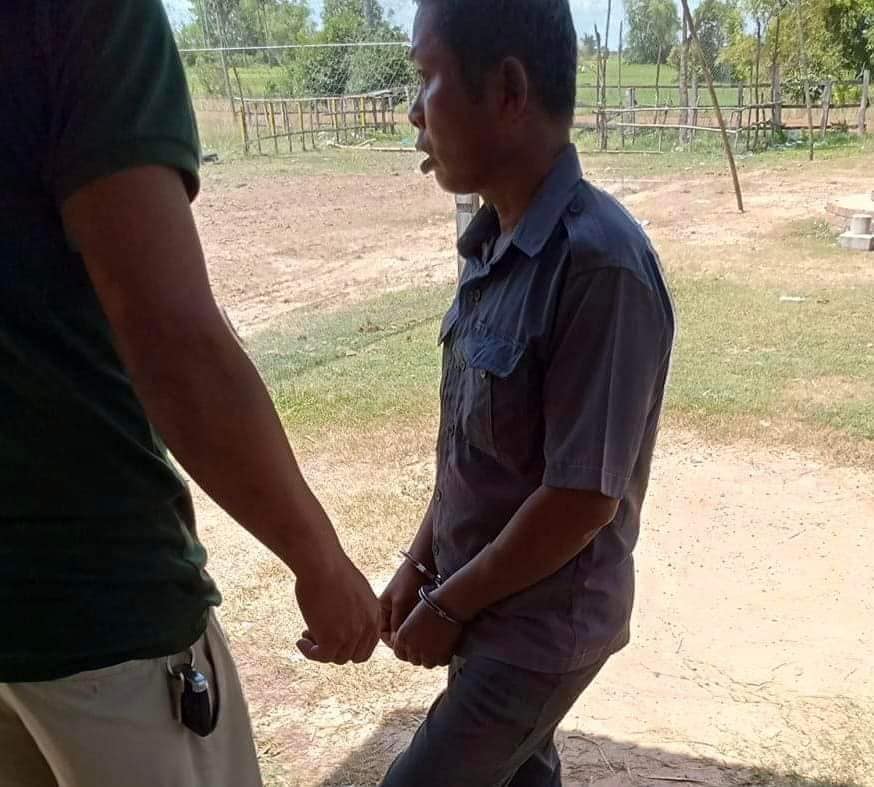
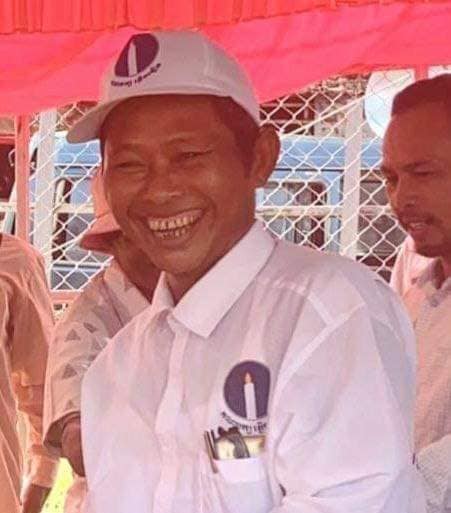
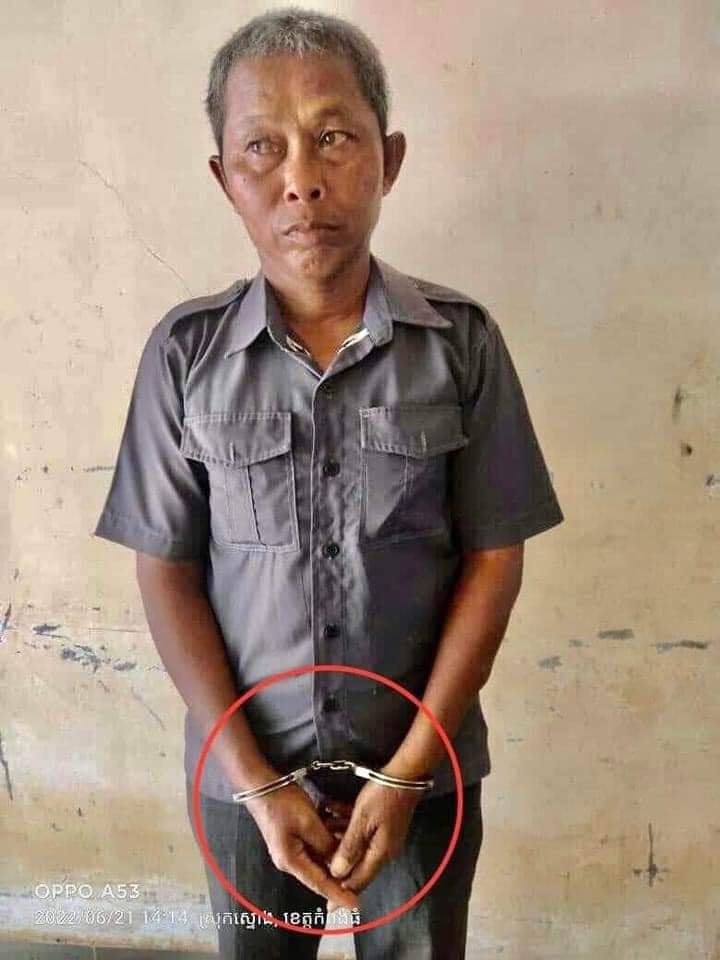
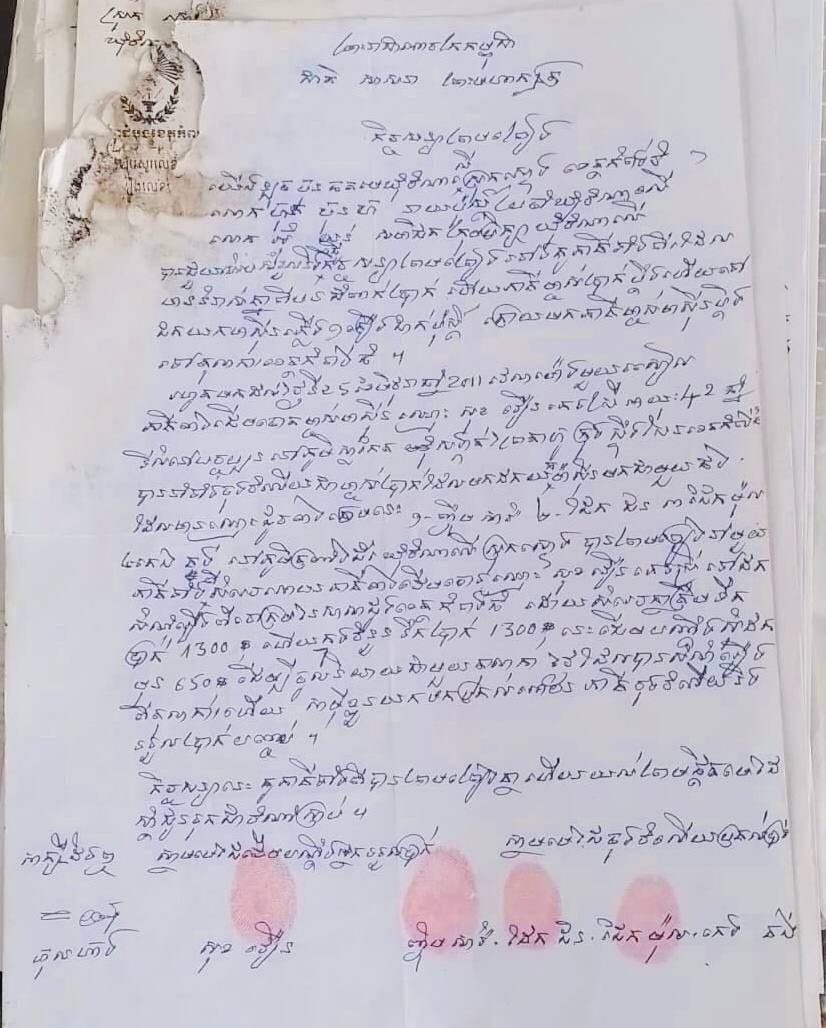
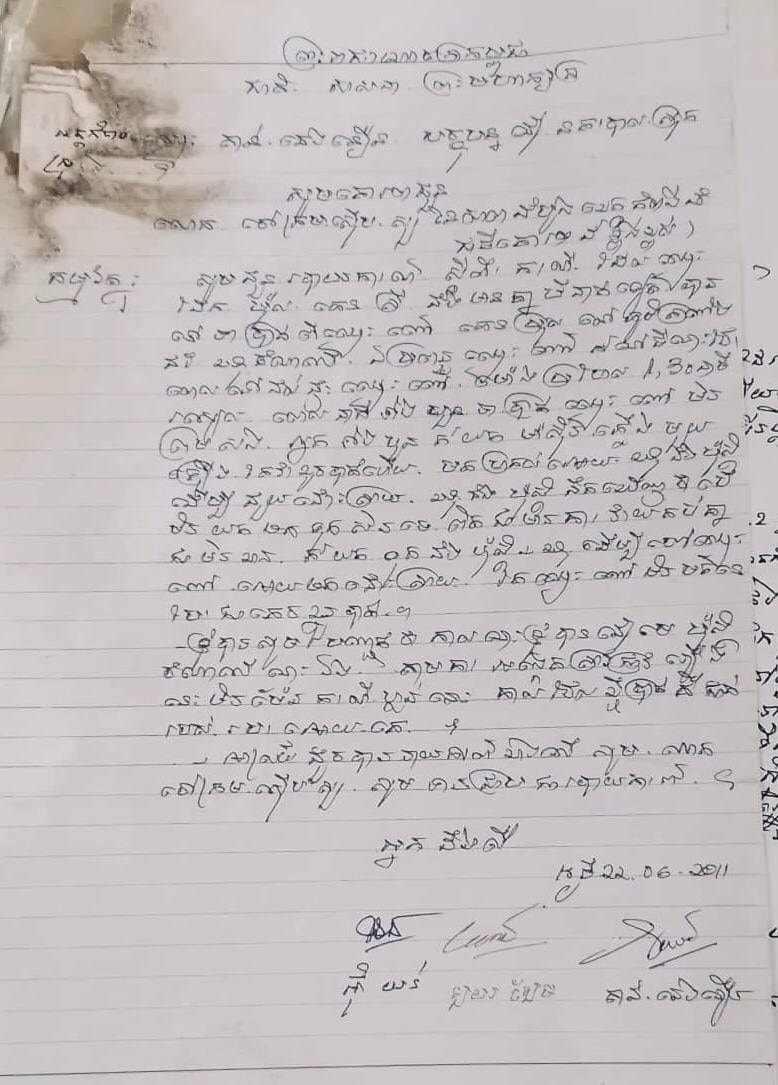
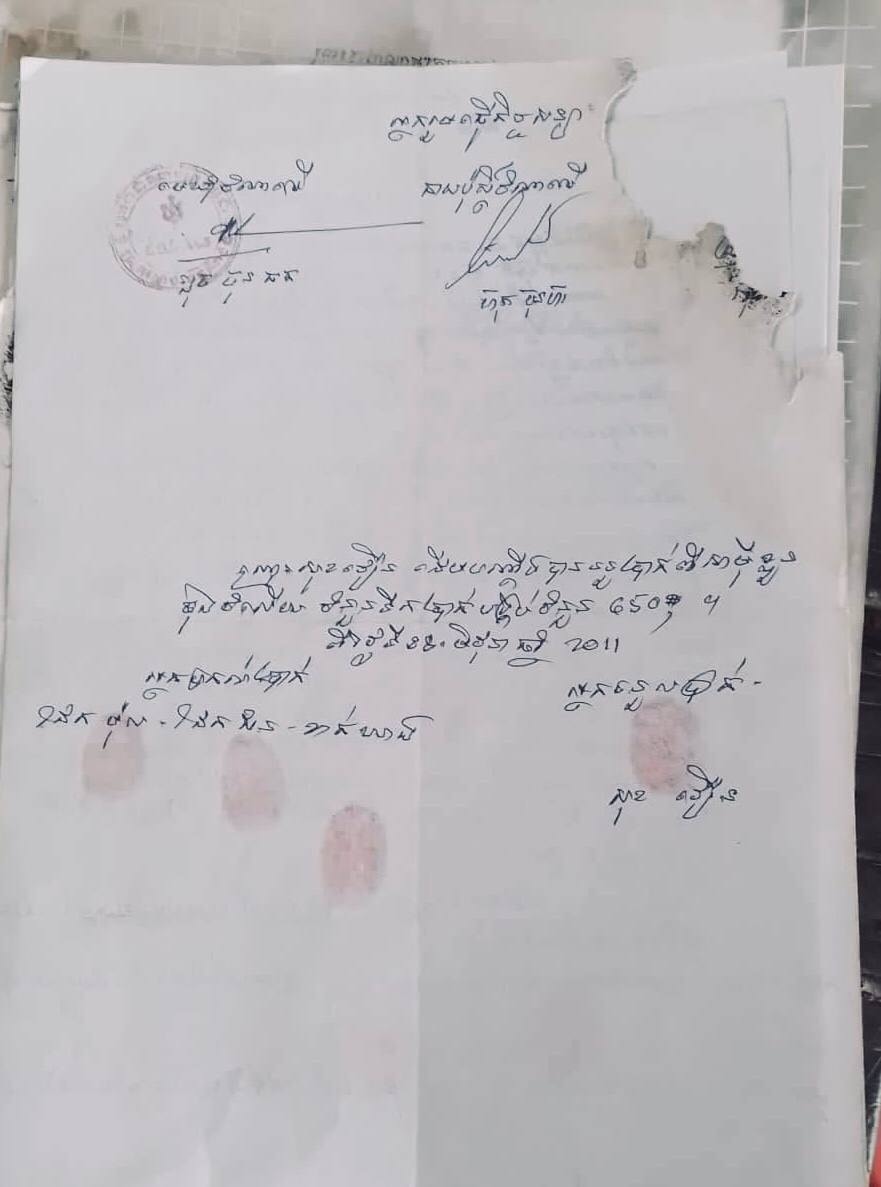
Regarding “Candlelight Commune Chief-Elect Arrested for 2002 Robbery Case,” it is a joke for the Kampong Thom Provincial Court to have handcuffed Nhim Sarom, Candlelight Party commune chief-elect of Chamna Loeu commune. The use of a court warrant dated 10 years ago is the mark of a Kangaroo Court that ignores due process and pursues a predetermined conclusion, or of double standards where rules and laws are unfairly applied in different ways to different people. Legally speaking, the court in Cambodia has been notoriously accumulating distrust among Cambodian citizens. Politically speaking, the election is just a theater as the voice of the voters has never been respected.
This arrest is another testament to the incapability of the court and law enforcement in Cambodia. With prejudice and political partisanship, opposition dissidents are victimized, and they are found to be the wrongdoers in most legal and political cases. Can you imagine a society where good people are forced to be bad, and bad people are transformed to be good?
Sophoan Seng
President, Committee for Election Right of Overseas Cambodians