The 2024 general election will be held simultaneously on Feb. 14, 2024, at all Polling Stations (TPS) across Indonesia, excepting Indonesian citizens (WNI) residing in a foreign country, are eligible to vote and registered in the final voter list (DPT), who cast their votes on an earlier date. This early voting mechanism was carried out in accordance with General Elections Commission (KPU) Decree No. 1811/2023 on Determination of the Day and Date for 2024 Voting at Overseas Polling Stations (TPSLN), which went into effect on Friday, Dec. 29, 2023. Overseas voting began on Feb. 5, 2024, with the first votes cast in Hanoi and Ho Chi Minh City, Vietnam. Voting then followed on Feb. 6, 8, 9, 10, 11 and 13 at TPSLN in various countries, with the final overseas voting to take place on Feb. 14 in Vanimo, Papua New Guinea. Nevertheless, overseas votes will still be counted at the same time as the recapitulation and vote counting of domestic votes on Feb. 14, 2024. KPU chair Hasyim Asy’ari has called on the public not to believe the misinformation being spread that that the recapitulation and vote counting of overseas votes would follow immediately after overseas voters cast their ballots. “We can assure you it is not true that the results of LN [overseas] voting will published before February 14, 2024,” Hasyim said in a recent statement. The public is also asked to be prepared to vote for their preferred candidates in the voting booth on Wednesday, Feb. 14, and to avoid being provoked by any misinformation from irresponsible parties that only want to stir up trouble. Other information that circulated earlier, especially on social media, claimed to be the interim results of overseas votes of the 2024 presidential election in six countries: Malaysia, South Korea, Japan, Saudi Arabia and Taipei. “These [overseas voting] results are incorrect,” underlined Hasyim. General Elections Commission Regulation (PKPU) No. 25/2023 on Voting and Vote Counting in General Elections stipulates three voting methods. The first is voting at a Polling Station (TPS) or Overseas Polling Station (TPSLN) at an Indonesian representative office, such as embassies and consulates general, or at Indonesian schools and residences. The second is through mobile ballot boxes prepared by the KPU, and the third is by postal vote. Officials from the Overseas Election Committee (PPLN) then send letters by post to the address of each registered overseas voter. After the overseas polls opened on Feb. 5 for Indonesian citizens in Hanoi and Ho Chi Minh City, overseas voting was held on Feb. 6, 2024 in Panama City, followed two days later by the polls in Tehran on Feb. 8, 2024. A total of 255 registered overseas voters were based in Hanoi and surrounding areas, according to national radio broadcaster the Voice of Vietnam (vovworld.vn), and 478 overseas voters in Ho Chi Minh City. The PPLN used two methods: voting directly at overseas polling stations and postal voting. “The morning started at 8 a.m. Poland time, but some people had already arrived before then. Indonesian citizens in Poland were enthusiastic about casting their votes even though they were not in Indonesia,” said PPLN Warsaw chairman Ramon Tommy Sirait. Meanwhile, voting was held on Feb. 9, 2024 in the overseas constituencies of Amman, Seychelles Islands, Baghdad, Dhaka, Doha, Khartoum, Kuwait City, Manama, Muscat, Riyadh and Sana’a. The following day on Saturday, Feb. 10, overseas voting took place in Abu Dhabi, Abuja, Algiers, Berlin, Bern, Bogota, Brasilia-DF, Bratislava, Brussels, Budapest, Buenos Aires, Canberra, Cape Town, Caracas, Chicago, Colombo, Dakar, Damascus, Darwin, The Hague, Dubai, Frankfurt, Hamburg, Havana, Helsinki, Houston, Islamabad, Jeddah, Cairo, Copenhagen, Kiev, Lima, Lisbon, Los Angeles, Maputo, Marseille, Melbourne, Mexico City, Moscow, Mumbai, Nairobi, New Delhi, New York, Oslo, Ottawa, Paris, Perth, Phnom Penh, Prague, Pretoria, Quito, San Francisco, Sarajevo, Seoul, Sofia, Stockholm, Suva, Sydney, Tashkent, Toronto, Tripoli, Vancouver, Vatican City, Vientiane, Warsaw, Washington DC, Wellington, Vienna, Windhoek and Zagreb. In an official statement provided by the Indonesian Embassy in Warsaw, PPLN Warsaw reported that several Indonesian citizens living in various Polish cities had traveled long distances over several hours to cast their votes in the 2024 election. “Many Indonesian citizens from various cities in Poland visited the Indonesian Embassy in Warsaw. Many also took hours to make the journey. Voting started in the morning, but priority was given to Permanent Overseas Voters (PTLN). Meanwhile, Indonesian citizens who found it difficult to come to the TPS were facilitated by the postal method,” wrote the embassy said in its statement. On Sunday, Feb. 11, 2024, voting was held in Addis Ababa, Ankara, Athens, Baku, Bandar Seri Begawan, Bangkok, Beirut, Belgrade, Bucharest, Dar Es Salaam, Davao City, Dili, Harare, Istanbul, Johor Bahru, Karachi, Kota Kinabalu, Kuala Lumpur, Kuching, London, Madrid, Manila, Noumea, Osaka, Paramaribo, Penang, Port Moresby, Rabat, Rome, Santiago, Singapore, Songkhla, Tawau, Tokyo, Tunis and Yangon. Voting then resume on Tuesday, Feb. 13, 2024, in Hong Kong, and the final overseas voting sessions were held on Wednesday, Feb. 14, 2024, in Madagascar, Astana, Beijing, Guangzhou, Shanghai, Taipei and Vanimo. Let’s prepare to determine the future of our nation. Strengthen unity, make the election a means of integration #PeacefulElection2024. Let’s head to the polls together. Happy voting! This article was published in collaboration with Ministry of Communications and Informatics===ការបោះឆ្នោតសកលឆ្នាំ 2024 នឹងប្រព្រឹត្តទៅក្នុងពេលដំណាលគ្នានៅថ្ងៃទី 14 ខែកុម្ភៈ ឆ្នាំ 2024 នៅគ្រប់ការិយាល័យបោះឆ្នោត (TPS) ទូទាំងប្រទេសឥណ្ឌូនេស៊ី លើកលែងតែពលរដ្ឋឥណ្ឌូនេស៊ី (WNI) ដែលរស់នៅក្នុងប្រទេសក្រៅ មានសិទ្ធិបោះឆ្នោត និងចុះឈ្មោះក្នុងបញ្ជីបោះឆ្នោតចុងក្រោយ ( DPT) ដែលបានបោះឆ្នោតរបស់ពួកគេនៅថ្ងៃមុន។ យន្តការបោះឆ្នោតមុនកាលកំណត់នេះ ត្រូវបានអនុវត្តស្របតាមអនុក្រឹត្យលេខ ១៨១១/២០២៣ របស់គណៈកម្មាធិការរៀបចំការបោះឆ្នោត (KPU) ស្តីពីការកំណត់ថ្ងៃ និងកាលបរិច្ឆេទសម្រាប់ការបោះឆ្នោតឆ្នាំ២០២៤ នៅការិយាល័យបោះឆ្នោតនៅបរទេស(TPSLN) ដែលបានចូលជាធរមាននៅថ្ងៃសុក្រ ទី២៩ ខែធ្នូ 2023។ ការបោះឆ្នោតនៅក្រៅប្រទេសបានចាប់ផ្តើមនៅថ្ងៃទី5 ខែកុម្ភៈ ឆ្នាំ2024 ដោយមានការបោះឆ្នោតដំបូងនៅទីក្រុងហាណូយ និងទីក្រុងហូជីមិញ ប្រទេសវៀតណាម។ បន្ទាប់មកការបោះឆ្នោតបានធ្វើឡើងនៅថ្ងៃទី 6, 8, 9, 10, 11 និង 13 ខែកុម្ភៈ នៅ TPSLN ក្នុងប្រទេសផ្សេងៗ ដោយការបោះឆ្នោតនៅក្រៅប្រទេសចុងក្រោយនឹងប្រព្រឹត្តទៅនៅថ្ងៃទី 14 ខែកុម្ភៈ នៅទីក្រុង Vanimo ប្រទេស Papua New Guinea។ ទោះជាយ៉ាងណាក៏ដោយ ការបោះឆ្នោតនៅក្រៅប្រទេសនឹងនៅតែត្រូវបានរាប់ក្នុងពេលដំណាលគ្នាជាមួយនឹងការរាប់សន្លឹកឆ្នោតឡើងវិញ និងរាប់សន្លឹកឆ្នោតក្នុងស្រុកនៅថ្ងៃទី 14 ខែកុម្ភៈ ឆ្នាំ2024។ ប្រធាន KPU លោក Hasyim Asy’ari បានអំពាវនាវដល់សាធារណជនកុំឱ្យជឿលើព័ត៌មានមិនពិតដែលកំពុងរីករាលដាលដែលថាការប្រមូលឡើងវិញ។ ហើយការរាប់សន្លឹកឆ្នោតនៅក្រៅប្រទេសនឹងធ្វើឡើងភ្លាមៗបន្ទាប់ពីអ្នកបោះឆ្នោតនៅក្រៅប្រទេសបានបោះឆ្នោត។ Hasyim បាននិយាយនៅក្នុងសេចក្តីថ្លែងការណ៍ថ្មីៗនេះថា “យើងអាចធានាដល់អ្នកថាវាមិនពិតទេដែលលទ្ធផលនៃការបោះឆ្នោត LN [នៅបរទេស] នឹងបោះពុម្ពមុនថ្ងៃទី 14 ខែកុម្ភៈឆ្នាំ 2024” Hasyim បាននិយាយនៅក្នុងសេចក្តីថ្លែងការណ៍នាពេលថ្មីៗនេះ។ សូមសាធារណជនត្រៀមបោះឆ្នោតជ្រើសរើសបេក្ខជនដែលខ្លួនពេញចិត្តនៅក្នុងស្តង់បោះឆ្នោតនៅថ្ងៃពុធ ទី១៤ ខែកុម្ភៈ ហើយដើម្បីចៀសវាងការបំផុសបំផុលនូវព័ត៌មានមិនពិតពីគណបក្សមិនទទួលខុសត្រូវដែលគ្រាន់តែចង់បង្កបញ្ហា។ ព័ត៌មានផ្សេងទៀតដែលបានផ្សព្វផ្សាយមុននេះ ជាពិសេសនៅលើប្រព័ន្ធផ្សព្វផ្សាយសង្គមបានអះអាងថាជាលទ្ធផលបណ្តោះអាសន្ននៃការបោះឆ្នោតនៅក្រៅប្រទេសនៃការបោះឆ្នោតប្រធានាធិបតីឆ្នាំ2024 នៅក្នុងប្រទេសចំនួន6 គឺម៉ាឡេស៊ី កូរ៉េខាងត្បូង ជប៉ុន អារ៉ាប៊ីសាអូឌីត និងតៃប៉ិ។ លោក Hasyim គូសបញ្ជាក់ថា៖ «លទ្ធផល [បោះឆ្នោតនៅក្រៅប្រទេស] ទាំងនេះមិនត្រឹមត្រូវទេ។ បទបញ្ជារបស់គណៈកម្មាធិការរៀបចំការបោះឆ្នោតទូទៅ (PKPU) លេខ 25/2023 ស្តីពីការបោះឆ្នោត និងរាប់សន្លឹកឆ្នោតក្នុងការបោះឆ្នោតទូទៅ កំណត់វិធីបោះឆ្នោតចំនួនបី។ ទីមួយគឺការបោះឆ្នោតនៅការិយាល័យបោះឆ្នោត (TPS) ឬការិយាល័យបោះឆ្នោតក្រៅប្រទេស (TPSLN) នៅការិយាល័យតំណាងរបស់ឥណ្ឌូនេស៊ី ដូចជាស្ថានទូត និងស្ថានអគ្គកុងស៊ុល ឬនៅសាលារៀន និងលំនៅដ្ឋានឥណ្ឌូនេស៊ី។ ទីពីរគឺតាមរយៈប្រអប់សន្លឹកឆ្នោតចល័តដែលរៀបចំដោយ KPU និងទីបីគឺតាមការបោះឆ្នោតតាមប្រៃសណីយ៍។ មន្ត្រីមកពីគណៈកម្មាធិការរៀបចំការបោះឆ្នោតនៅក្រៅប្រទេស (PPLN) បន្ទាប់មកផ្ញើសំបុត្រតាមប្រៃសណីយ៍ទៅកាន់អាសយដ្ឋានរបស់អ្នកបោះឆ្នោតក្រៅប្រទេសដែលបានចុះឈ្មោះនីមួយៗ។ បន្ទាប់ពីការស្ទង់មតិក្រៅប្រទេសបានបើកនៅថ្ងៃទី5 ខែកុម្ភៈ សម្រាប់ពលរដ្ឋឥណ្ឌូនេស៊ីនៅទីក្រុងហាណូយ និងទីក្រុងហូជីមិញ ការបោះឆ្នោតនៅក្រៅប្រទេសត្រូវបានធ្វើឡើងនៅថ្ងៃទី 6 ខែកុម្ភៈ ឆ្នាំ2024 នៅទីក្រុងប៉ាណាម៉ា បន្ទាប់មកពីរថ្ងៃក្រោយមកដោយការបោះឆ្នោតនៅទីក្រុងតេហេរ៉ង់នៅថ្ងៃទី 8 ខែកុម្ភៈ ឆ្នាំ2024។ យោងតាមវិទ្យុជាតិ វ៉ូវ៉េីល វៀត ណាម (vovworld.vn) បានឲ្យដឹងថា អ្នកបោះឆ្នោតក្រៅប្រទេសចំនួន 255 នាក់ មានមូលដ្ឋាននៅទីក្រុងហាណូយ និងតំបន់ជុំវិញ។ PPLN បានប្រើវិធីពីរយ៉ាង៖ បោះឆ្នោតដោយផ្ទាល់នៅការិយាល័យបោះឆ្នោតក្រៅប្រទេស និងការបោះឆ្នោតតាមប្រៃសណីយ៍។ ប្រធាន PPLN Warsaw លោក Ramon Tommy Sirait បាននិយាយថា “ពេលព្រឹកបានចាប់ផ្តើមនៅម៉ោង 8 ព្រឹកម៉ោងនៅប្រទេសប៉ូឡូញ ប៉ុន្តែមនុស្សមួយចំនួនបានមកដល់មុននេះរួចហើយ។ ប្រជាពលរដ្ឋឥណ្ឌូនេស៊ីនៅក្នុងប្រទេសប៉ូឡូញបានសាទរក្នុងការបោះឆ្នោតរបស់ពួកគេ ទោះបីជាពួកគេមិននៅក្នុងប្រទេសឥណ្ឌូនេស៊ីក៏ដោយ” ។ ទន្ទឹមនឹងនេះ ការបោះឆ្នោតត្រូវបានធ្វើឡើងនៅថ្ងៃទី 9 ខែកុម្ភៈ ឆ្នាំ2024 នៅក្នុងមណ្ឌលបោះឆ្នោតក្រៅប្រទេសនៃទីក្រុង Amman កោះ Seychelles ទីក្រុង Baghdad ទីក្រុង Dhaka ទីក្រុង Doha ទីក្រុង Khartoum ប្រទេសគុយវ៉ែត ម៉ាណាម៉ា ទីក្រុង Muscat ទីក្រុង Riyadh និងទីក្រុង Sana’a ។ នៅថ្ងៃបន្ទាប់នៅថ្ងៃសៅរ៍ទី 10 ខែកុម្ភៈ ការបោះឆ្នោតនៅក្រៅប្រទេសបានធ្វើឡើងនៅ Abu Dhabi, Abuja, Algiers, Berlin, Bern, Bogota, Brasilia-DF, Bratislava, Brussels, Budapest, Buenos Aires, Canberra, Cape Town, Caracas, Chicago, Colombo, Dakar, Damascus, Darwin, The Hague, Dubai, Frankfurt, Hamburg, Havana, Helsinki, Houston, Islamabad, Jeddah, Cairo, Copenhagen, Kiev, Lima, Lisbon, Los Angeles, Maputo, Marseille, Melbourne, Mexico City, Moscow , Mumbai, Nairobi, New Delhi, New York, Oslo, Ottawa, Paris, Perth, Phnom Penh, Prague, Pretoria, Quito, San Francisco, Sarajevo, Seoul, Sofia, Stockholm, Suva, Sydney, Tashkent, Toronto, Tripoli, Vancouver , បុរីវ៉ាទីកង់, វៀងច័ន្ទន៍, វ៉ារស្សាវ៉ា, វ៉ាស៊ីនតោនឌីស៊ី, វែលីងតុន, វីយែន, វិនហូក និងហ្សាហ្គ្រេប។ នៅក្នុងសេចក្តីថ្លែងការណ៍ផ្លូវការមួយដែលផ្តល់ដោយស្ថានទូតឥណ្ឌូនេស៊ីនៅទីក្រុង Warsaw PPLN Warsaw បានរាយការណ៍ថាពលរដ្ឋឥណ្ឌូនេស៊ីជាច្រើនដែលរស់នៅក្នុងទីក្រុងនានារបស់ប៉ូឡូញបានធ្វើដំណើរផ្លូវឆ្ងាយជាច្រើនម៉ោងដើម្បីបោះឆ្នោតរបស់ពួកគេនៅក្នុងការបោះឆ្នោតឆ្នាំ 2024 ។ “ពលរដ្ឋឥណ្ឌូនេស៊ីជាច្រើននាក់មកពីទីក្រុងនានាក្នុងប្រទេសប៉ូឡូញបានទៅទស្សនាស្ថានទូតឥណ្ឌូនេស៊ីនៅទីក្រុងវ៉ារស្សាវ៉ា។ មនុស្សជាច្រើនក៏បានចំណាយពេលជាច្រើនម៉ោងក្នុងការធ្វើដំណើរផងដែរ។ ការបោះឆ្នោតបានចាប់ផ្តើមនៅពេលព្រឹក ប៉ុន្តែត្រូវបានផ្តល់អាទិភាពដល់អ្នកបោះឆ្នោតក្រៅប្រទេសអចិន្ត្រៃយ៍ (PTLN)។ ទន្ទឹមនឹងនោះ ពលរដ្ឋឥណ្ឌូនេស៊ីដែលបានរកឃើញវា ស្ថានទូតបាននិយាយនៅក្នុងសេចក្តីថ្លែងការណ៍របស់ខ្លួនថា ការលំបាកក្នុងការមក TPS ត្រូវបានសម្របសម្រួលដោយវិធីសាស្ត្រប្រៃសណីយ៍។ នៅថ្ងៃអាទិត្យទី 11 ខែកុម្ភៈ ឆ្នាំ 2024 ការបោះឆ្នោតត្រូវបានធ្វើឡើងនៅទីក្រុង Addis Ababa ទីក្រុង Ankara ទីក្រុង Athens ទីក្រុង Baku ក្រុង Bandar Seri Begawan ទីក្រុងបាងកក ទីក្រុង Beirut ទីក្រុង Belgrade ទីក្រុង Bucharest ទីក្រុង Dar Es Salaam ទីក្រុង Davao ទីក្រុង Dili ទីក្រុង Harare ទីក្រុង Istanbul ទីក្រុង Johor Bahru ការ៉ាជី កូតា គីណាបាលូ
How does the election work?Come February 14, polling stations across Indonesia’s three time zones (GMT +7/8/9), will open at 7am and close at 1pm.All voters over the age of 17 will be given five different ballot papers to choose presidential and vice presidential candidates, as well as representatives at national, provincial, regional, and regency and city levels. Depending on the area, some polling stations are likely to see long queues as voters turn out early in an effort to escape the searing Indonesian heat that builds throughout the day.In the voting booth, people make their choice by piercing the ballot paper with a nail in a process known as “coblos” which means “to punch”. It is felt that using a nail to punch a hole in the ballot paper makes it harder to manipulate votes.Votes are counted in public at polling stations, with the paper ballots held up so everyone can see the light shining through the pierced hole as the names of the chosen candidates are read aloud. Once they have voted, every voter dips their little finger in indelible ink to guard against casting multiple votes.“The anatomy of the sheer numbers of voters involved makes the Indonesian election the largest one-day election in the world,” Titi Anggraini, an advisory board member of the Association for Elections and Democracy and a constitutional law lecturer at Universitas Indonesia, told Al Jazeera.“The combination of simultaneous elections with an open proportional system which is carried out manually also makes the Indonesian election one of the most complicated and complex elections in the world.”A ballot paper from 2019 showing a hole – and therefore a vote – for Jokowi [File: Binsar Bakkara/AP Photo]The process at the polling stations will be overseen by about seven million election officials and independent workers.In 2019, more than 890 election workers died following the exhaustive polls.When can we expect a result?There are more than 820,000 polling stations across Indonesia, an archipelago made up of some 17,000 islands, and the count starts as soon as voting closes.Many polling stations use a “quick count” – based on a sampling method – to give an early indication of where things are headed.A preliminary result from the elections commission is likely to be announced on the evening of February 14, but the official result could take as long as 35 days. Much depends on whether the vote is close.Any legal complaints by any of the candidates involved, including the three sets of presidential and vice presidential hopefuls, will need to be filed within 35 days of the election.On his previous two outings, Prabowo challenged the result through Indonesia’s Constitutional Court.In 2019, the legal challenge and accusation of vote rigging and ballot tampering sparked violent protests across the country that left nine people dead.Who can vote?Any Indonesian citizen who is 17 or older can vote.About 52 percent of registered voters are under the age of 40, and about a third of the total are under the age of 30, making the “youth vote” an important one.This year, 49.91 percent of registered voters are male and 50.09 percent are female.Members of the Indonesian police and the military are banned from voting.===តើការបោះឆ្នោតដំណើរការយ៉ាងដូចម្តេច?សូមអញ្ជើញមកថ្ងៃទី 14 ខែកុម្ភៈ ការិយាល័យបោះឆ្នោតទូទាំងតំបន់ពេលវេលាបីរបស់ប្រទេសឥណ្ឌូនេស៊ី (GMT +7/8/9) នឹងបើកនៅម៉ោង 7 ព្រឹក និងបិទនៅម៉ោង 1 រសៀល។អ្នកបោះឆ្នោតទាំងអស់ដែលមានអាយុលើសពី 17 ឆ្នាំនឹងត្រូវបានផ្តល់សន្លឹកឆ្នោតចំនួនប្រាំផ្សេងគ្នាដើម្បីជ្រើសរើសបេក្ខជនប្រធានាធិបតី និងអនុប្រធានាធិបតី ព្រមទាំងតំណាងនៅថ្នាក់ជាតិ ថ្នាក់ខេត្ត តំបន់ និងថ្នាក់ខេត្ត និងទីក្រុង។ អាស្រ័យលើតំបន់នោះ ការិយាល័យបោះឆ្នោតមួយចំនួនទំនងជាឃើញមានជួរវែងៗ នៅពេលដែលអ្នកបោះឆ្នោតចេញទៅមុនកាលកំណត់ក្នុងកិច្ចខិតខំប្រឹងប្រែងដើម្បីគេចចេញពីកំដៅនៅប្រទេសឥណ្ឌូនេស៊ីដែលកំពុងកើនឡើងពេញមួយថ្ងៃ។នៅក្នុងស្តង់បោះឆ្នោត មនុស្សធ្វើការជ្រើសរើសដោយចោះសន្លឹកឆ្នោតដោយដែកគោលក្នុងដំណើរការមួយដែលគេស្គាល់ថា “coblos” ដែលមានន័យថា “ដើម្បីដាល់”។ គេយល់ថាការប្រើដែកគោលដើម្បីដាល់រន្ធសន្លឹកឆ្នោតធ្វើឱ្យពិបាកក្នុងការរៀបចំសន្លឹកឆ្នោត។សន្លឹកឆ្នោតត្រូវបានរាប់ជាសាធារណៈនៅការិយាល័យបោះឆ្នោត ដោយមានសន្លឹកឆ្នោតក្រដាសរៀបចំឡើង ដូច្នេះអ្នកគ្រប់គ្នាអាចមើលឃើញពន្លឺចាំងតាមរន្ធដែលទម្លុះ ខណៈដែលឈ្មោះបេក្ខជនដែលត្រូវបានជ្រើសរើសត្រូវបានអានឮៗ។ នៅពេលដែលពួកគេបានបោះឆ្នោតរួចហើយ អ្នកបោះឆ្នោតគ្រប់រូបបានជ្រលក់ម្រាមដៃតូចរបស់ពួកគេនៅក្នុងទឹកថ្នាំដែលមិនអាចលុបបានដើម្បីការពារប្រឆាំងនឹងការបោះឆ្នោតច្រើនដង។លោក Titi Anggraini សមាជិកក្រុមប្រឹក្សាភិបាលនៃសមាគមសម្រាប់ការបោះឆ្នោត និងលទ្ធិប្រជាធិបតេយ្យ និងជាសាស្ត្រាចារ្យច្បាប់ធម្មនុញ្ញនៅ Universitas Indonesia បានប្រាប់អាល់ចាហ្សៀរ៉ា។”ការរួមបញ្ចូលគ្នានៃការបោះឆ្នោតក្នុងពេលដំណាលគ្នាជាមួយនឹងប្រព័ន្ធសមាមាត្របើកចំហដែលត្រូវបានអនុវត្តដោយដៃផ្ទាល់ក៏ធ្វើឱ្យការបោះឆ្នោតឥណ្ឌូនេស៊ីក្លាយជាការបោះឆ្នោតដ៏ស្មុគស្មាញ និងស្មុគស្មាញបំផុតនៅក្នុងពិភពលោក”។សន្លឹកឆ្នោតឆ្នាំ 2019 បង្ហាញពីរន្ធមួយ ហើយដូច្នេះការបោះឆ្នោតមួយសម្រាប់ Jokowi [ឯកសារ៖ Binsar Bakkara/AP Photo]ដំណើរការនៅការិយាល័យបោះឆ្នោតនឹងត្រូវត្រួតពិនិត្យដោយមន្ត្រីរៀបចំការបោះឆ្នោត និងអ្នកធ្វេីការឯករាជ្យប្រមាណ ៧ លាននាក់។ក្នុងឆ្នាំ 2019 អ្នកធ្វេីការបោះឆ្នោតជាង 890 នាក់បានស្លាប់បន្ទាប់ពីការបោះឆ្នោតដ៏ហត់នឿយ។តើយើងអាចរំពឹងលទ្ធផលនៅពេលណា?មានការិយាល័យបោះឆ្នោតជាង 820,000 នៅទូទាំងប្រទេសឥណ្ឌូណេស៊ី ជាប្រជុំកោះដែលមានកោះប្រហែល 17,000 ហើយការរាប់ចាប់ផ្តើមភ្លាមៗនៅពេលដែលការបោះឆ្នោតបិទ។ការិយាល័យបោះឆ្នោតជាច្រើនប្រើ “ការរាប់រហ័ស” – ផ្អែកលើវិធីសាស្រ្តគំរូ – ដើម្បីផ្តល់ការចង្អុលបង្ហាញដំបូងអំពីកន្លែងដែលអ្វីៗត្រូវបានដឹកនាំ។លទ្ធផលបឋមរបស់គណៈកម្មការរៀបចំការបោះឆ្នោតទំនងជាត្រូវប្រកាសនៅល្ងាចថ្ងៃទី១៤ ខែកុម្ភៈ ប៉ុន្តែលទ្ធផលផ្លូវការអាចប្រើពេលរហូតដល់៣៥ថ្ងៃ។ ភាគច្រើនអាស្រ័យលើថាតើការបោះឆ្នោតត្រូវបានបិទបញ្ចប់ឬអត់។រាល់បណ្តឹងផ្លូវច្បាប់ដោយបេក្ខជនណាម្នាក់ដែលពាក់ព័ន្ធ រួមទាំងផ្នែកបីនៃក្តីសង្ឃឹមរបស់ប្រធានាធិបតី និងអនុប្រធានាធិបតី នឹងត្រូវប្តឹងក្នុងរយៈពេល 35 ថ្ងៃនៃការបោះឆ្នោត។នៅក្នុងដំណើរពីរ លើកមុនរបស់គាត់ Prabowo បានជំទាស់នឹងលទ្ធផលតាមរយៈតុលាការធម្មនុញ្ញរបស់ប្រទេសឥណ្ឌូនេស៊ី។ក្នុងឆ្នាំ 2019 ការប្រឈមផ្លូវច្បាប់ និងការចោទប្រកាន់ពីការក្លែងបន្លំសន្លឹកឆ្នោត និងការរំខានការបោះឆ្នោតបានបង្កឱ្យមានការតវ៉ាដោយហឹង្សានៅទូទាំងប្រទេសដែលបានបណ្តាលឱ្យមនុស្ស 9 នាក់ស្លាប់។តើអ្នកណាអាចបោះឆ្នោតបាន?ពលរដ្ឋឥណ្ឌូនេស៊ីណាម្នាក់ដែលមានអាយុ 17 ឆ្នាំឡើងទៅអាចបោះឆ្នោតបាន។ប្រហែល 52 ភាគរយនៃអ្នកបោះឆ្នោតដែលបានចុះឈ្មោះមានអាយុក្រោម 40 ឆ្នាំហើយប្រហែលមួយភាគបីនៃចំនួនសរុបមានអាយុក្រោម 30 ឆ្នាំដែលធ្វើឱ្យ “ការបោះឆ្នោតរបស់យុវជន” មានសារៈសំខាន់ខ្លាំង។នៅឆ្នាំនេះ 49.91 ភាគរយនៃអ្នកចុះឈ្មោះបោះឆ្នោតជាបុរស និង 50.09 ភាគរយជាស្ត្រី។សមាជិកប៉ូលីស និងយោធាឥណ្ឌូនេស៊ី ត្រូវបានហាមឃាត់មិនឱ្យបោះឆ្នោតទេ។
The main objective of this work is to prepare appropriate layout/design for The CEROC page posting/printing (i.e. Books, manual, guidelines, report, newspaper, multicolor infographics, original illustration etc.) and check carefully data tables, colour combination, size, value of the indicators etc. with proper formatting of the products.
The designer should research further independently in the context of the brief provided by the The CEROC. The designer will then submit an action plan to the concerned staff The CEROC. The agreed upon brief and the action plan are then the assignment.
The Designer will work in close coordination with the requester (The CEROC Technical Officers, National Professional Officers, Communication Officer etc.) of concerned Unit of The CEROC and provide final softcopy ready to post/print file for the following printings.
1. Design Books/manual/report/guidelines etc.
2. Newsletter
3. Multi-color original illustration
4. Multi-color infographics
5. Folder, Flex, Flyers, Invitation card etc.
2. Duration
The duration of the contract will be from 1 January 2023 to 31 December 2024. Subject to one-year extension upon satisfactory experience.
3. Payment
Payment depends on criteria stated by as per budget proposal submitted by the designer. Payment will be made upon completion of assignment and submission of deliverables. Deadlines will be created after negotiation with the designer.
4. Warranties
The designer warrants to The CEROC that the works are original works and in no way a violation of any existing copyright, and that the designer has the power to grant the rights set forth in this agreement.
The designer shall indemnify The CEROC for legal liability incurred by it on the grounds that the designs are a violation of these warranties.
Contractor/Employee will not disclose or divulge either directly or indirectly the Confidential Information to others unless first authorized to do so in writing .
5. Service Description
S.N.
Service Description
Quantity
Unit Price (Rs.)
1.
Design books/manual/report/guideline (Size A4)
Per page
2.
Design books/manual/report guideline (Size A5)
Per page
3.
Design books/manual/report guideline (Size B5)
Per Page
4.
Design books/manual/report/guideline (Size A3)
Per Page
5.
Newsletter (4 pages)
A4
6.
Multi-color original illustration
A4
7.
Multi-color Infographics with 5 or less key information
0
8.
Multi-color Infographics with 6-10 key information
0
9.
Multi-color Infographics with more than 10 key information
0
10
10.
Multi-color design with text, photos, logos and existing illustration
A3
10
11.
Multi-color design with text, photos, logos and existing illustration
A4
10
12.
Multi-color design with text, photos, logos and existing illustration
A5 or smaller
10
13.
Multi-color design of Flex, Flyers, Invitation card, folder
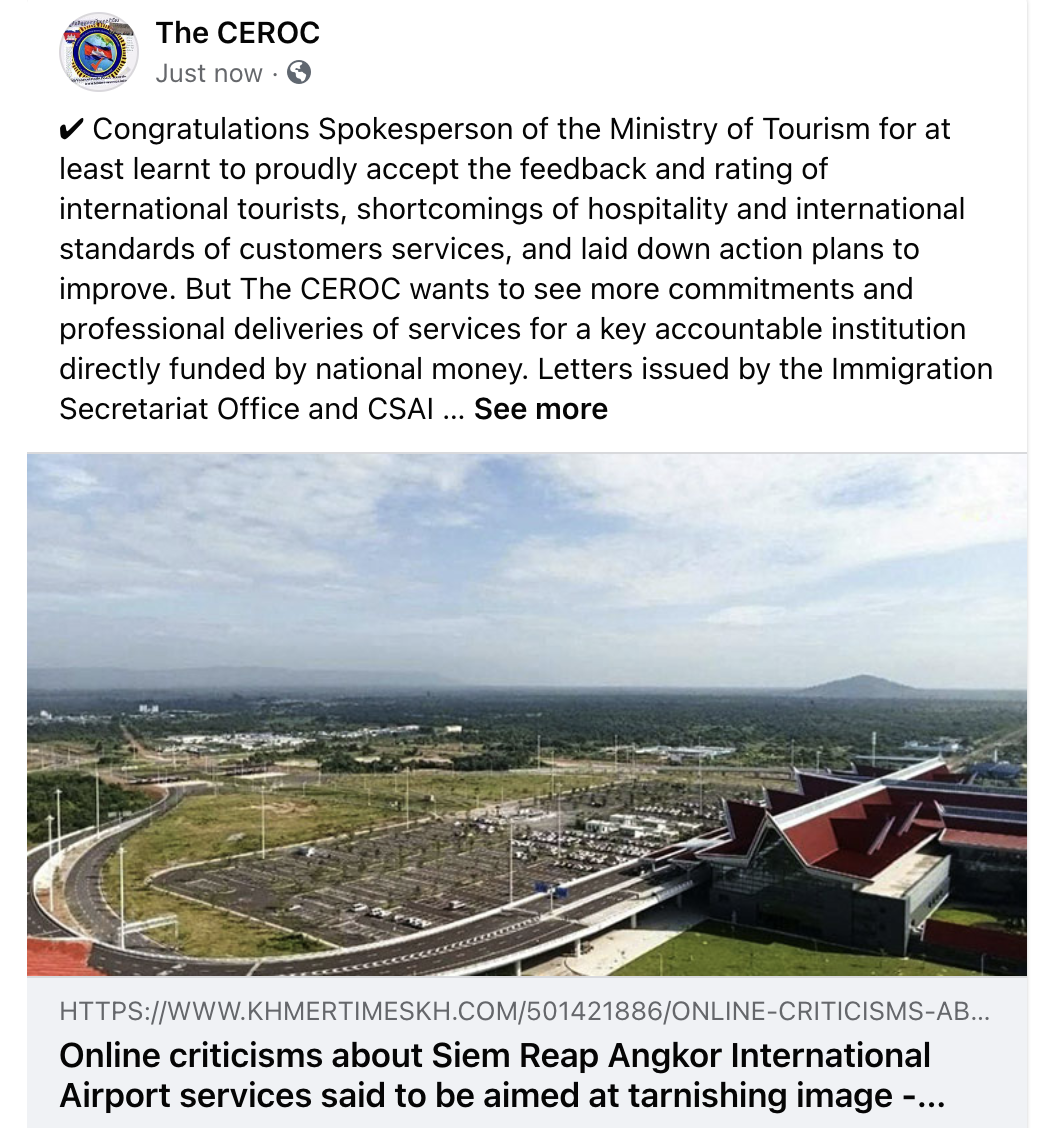
Dear Editor of Khmer Time: Congratulations Spokesperson of the Ministry of Tourism for at least learnt to proudly accept the feedback and rating of international tourists, shortcomings of hospitality and international standards of customers services, and lay down action plans to improve. But The CEROC wants to see more commitments and professional deliveries of services from this key accountable institution directly funded by the nation-coffer money.
Letters issued by the Immigration Secretariat Office and SSCA found groundless responses to the customers’ complaints on both former and current SAI. The CEROC has always exposed constructive comments, feedback and ratings from the people domestically and internationally. SSCA as a professional agent must read the whole screenshots posted by the CEROC and conduct due diligence to read the original source in google first before issuing such irresponsible official letter.
The culture of denial and spitting accusations to the whistleblowers resulting in a bad reputation, chronic corruption, and deprivation. Looking at 10 countries of South East Asia, in google travelers’ experience rating, all Cambodia’s port of entry (PoE) have received the lowest rates (around 3.2 in average) non-comparable to Lao’s PoE.
Ministry of Tourism must put on shoulder of her pivotal roles to solve this low rating complaints by laying down viable action plans to ensure rating shall be higher in the next semester of 2024. Concrete actions must be endorsed and implemented. Other institutions or agents are considered substitute and please stop conceal actual Ministry of Tourism to take in charge.
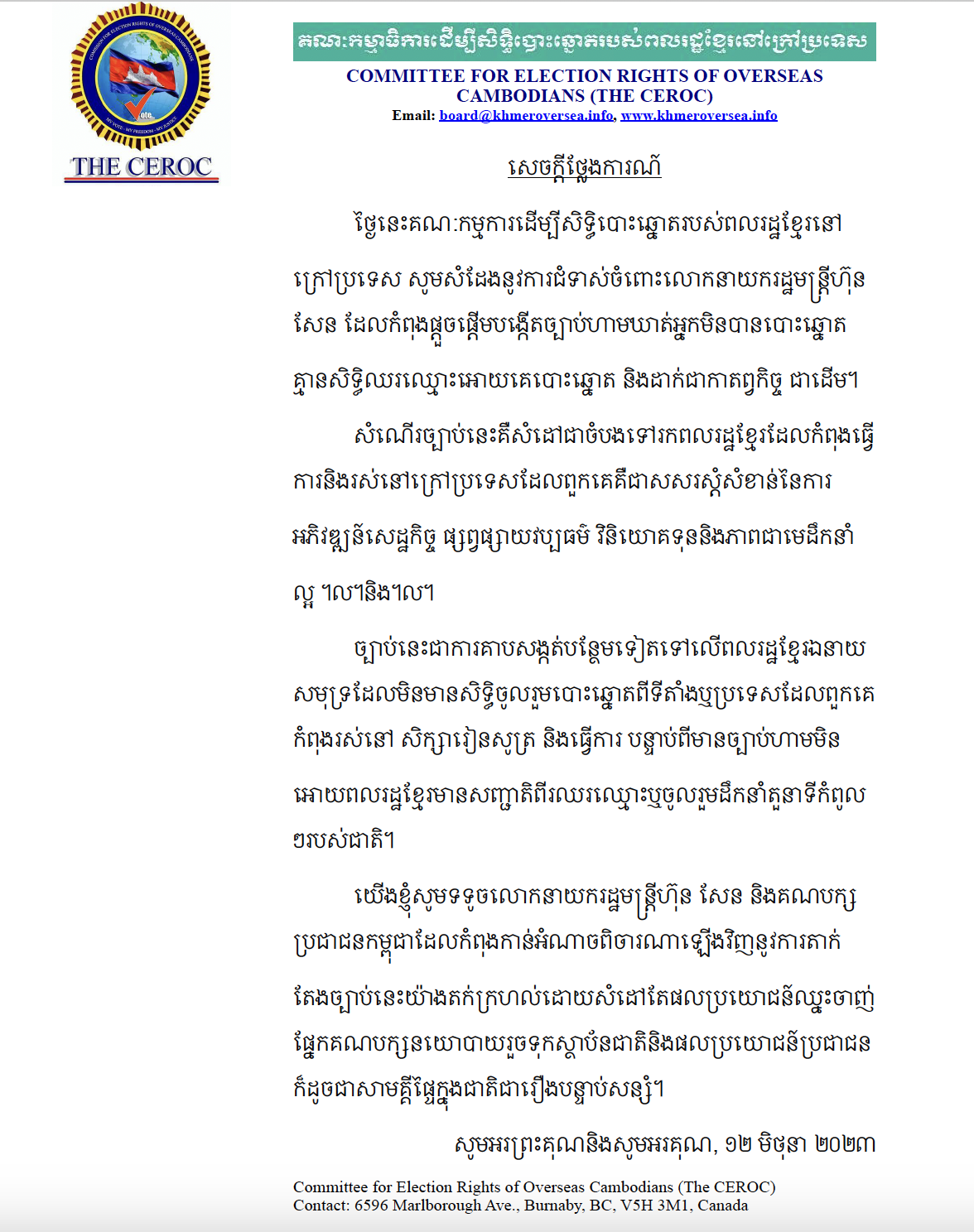
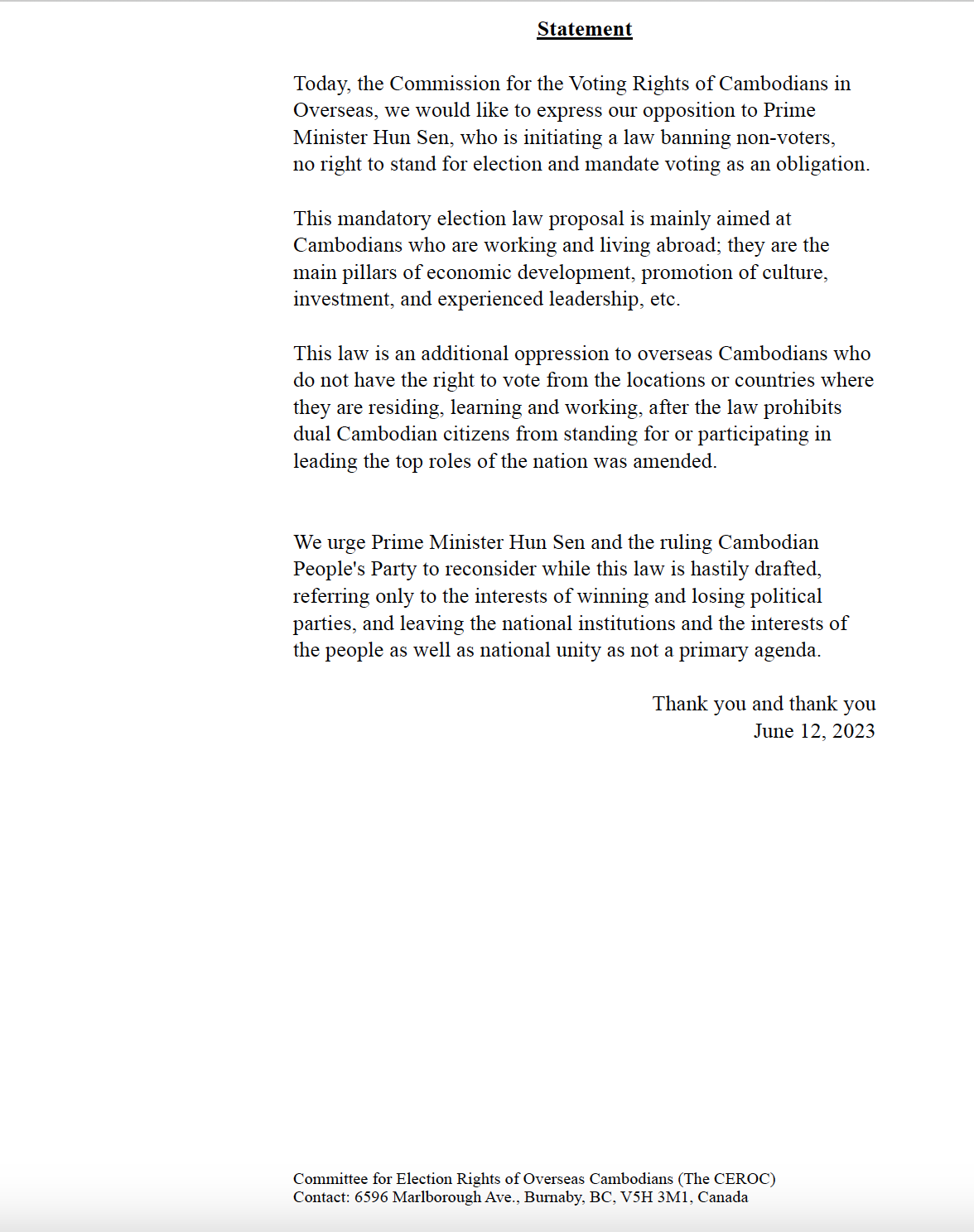
Today, the Commission for the Voting Rights of Cambodians in Overseas, we would like to express our opposition to Prime Minister Hun Sen, who is initiating a law banning non-voters, no right to stand for election and mandate voting as an obligation.
This mandatory election law proposal is mainly aimed at Cambodians who are working and living abroad; they are the main pillars of economic development, promotion of culture, investment, and experienced leadership, etc.
This law is an additional oppression to overseas Cambodians who do not have the right to vote from the locations or countries where they are residing, learning and working, after the law prohibits dual Cambodian citizens from standing for or participating in leading the top roles of the nation was amended.
We urge Prime Minister Hun Sen and the ruling Cambodian People’s Party to reconsider while this law is hastily drafted, referring only to the interests of winning and losing political parties, and leaving the national institutions and the interests of the people as well as national unity as not a primary agenda.
The Cambodian-American community came out to the April 25, 2023 City Council meeting to speak out against motions to establish sister-city relationships between Lowell and Battambang and Phnom Penh, Cambodia. The motions were withdrawn after the motion sponsors failed to find a second to move it forward for approval. Mayor Sokhary Chau reads a statement in support of his motions.(Melanie Gilbert/Lowell Sun)By MELANIE GILBERT | mgilbert@lowellsun.com |PUBLISHED: April 26, 2023 at 5:39 p.m. | UPDATED: April 26, 2023 at 5:45 p.m.
LOWELL — The city’s Cambodian diaspora came out in force to Tuesday’s City Council meeting to speak out against two motions seeking to establish possible sister-city agreements between Lowell and the Cambodian cities of Battambang and Phnom Penh.
Both motions were withdrawn when it became clear that a second from another councilor to move the motion to the floor for vote would not be forthcoming. Councilor Vesna Nuon requested that the speakers be allowed to address the body regardless.
“I know that the motion has failed, Mr. Mayor,” he said addressing the city’s first mayor of color and the nation’s first Cambodian-American mayor, Sokhary Chau. “However, to be fair, there are people here who wish to speak.”
Both motions were submitted by Cambodian-American councilors, who appeared to misjudge the depth of feeling toward the government of Cambodian Prime Minister Hun Sen, who assumed power nearly 40 years ago.
The first motion, co-sponsored by Chau and Councilor Paul Ratha Yem, asked the city manager to have the Law Department provide a report regarding the establishment of a sister-city agreement with Phnom Penh, referencing a memorandum of understanding signed on Jan. 14, 2015.
The second motion, by Chau, asked the city manager and/or the appropriate department to begin the process to establish a sister-city agreement with Battambang.
Eng Chhai Eang came to the podium with Mu Sochua. He previously was a member of the Cambodian Parliament and is a vice president of the Cambodian National Rescue Party, a major opposition party to the Hun Sen regime. He remains exiled from his homeland, and lives in Lowell.
Sochua, who acted as his interpreter, was also a member of the Cambodian Parliament from Battambang and is second vice president of the CNRP. She is a former minister of women’s and veterans’ affairs.
“I lost my seat because the Hun Sen government took it away,” Chhai Eang said in Khmer to a hushed crowd. “I am here as a victim of regime of Hun Sen. I am here to speak against the establishment of agreement of Battambang and Phnom Penh as Lowell sister city.”
He described a political system in Cambodia in which mayors are not elected directly by the people, but are chosen and appointed by Hun Sen.
“The government in Cambodia do not work according of the people,” he said through Sochua. “Therefore, if you in Lowell agree to establish sister city with any city in Cambodia, you are then serving the regime in Cambodia. The Cambodian regime considers me as a terrorist, but America accepts me as a free man. I thank you for not considering this motion.”



 ១២-មករា-២០១២៖ អ្នកភូមិបុរីកីឡាដែលជាប់ឃុំនៅក្នុងមជ្ឈមណ្ឌលសង្គមកិច្ចរាជធានីភ្នំពេញ នាខណ្ឌដង្កោ។RFA/Uon Chhinh030712np00:00/08:07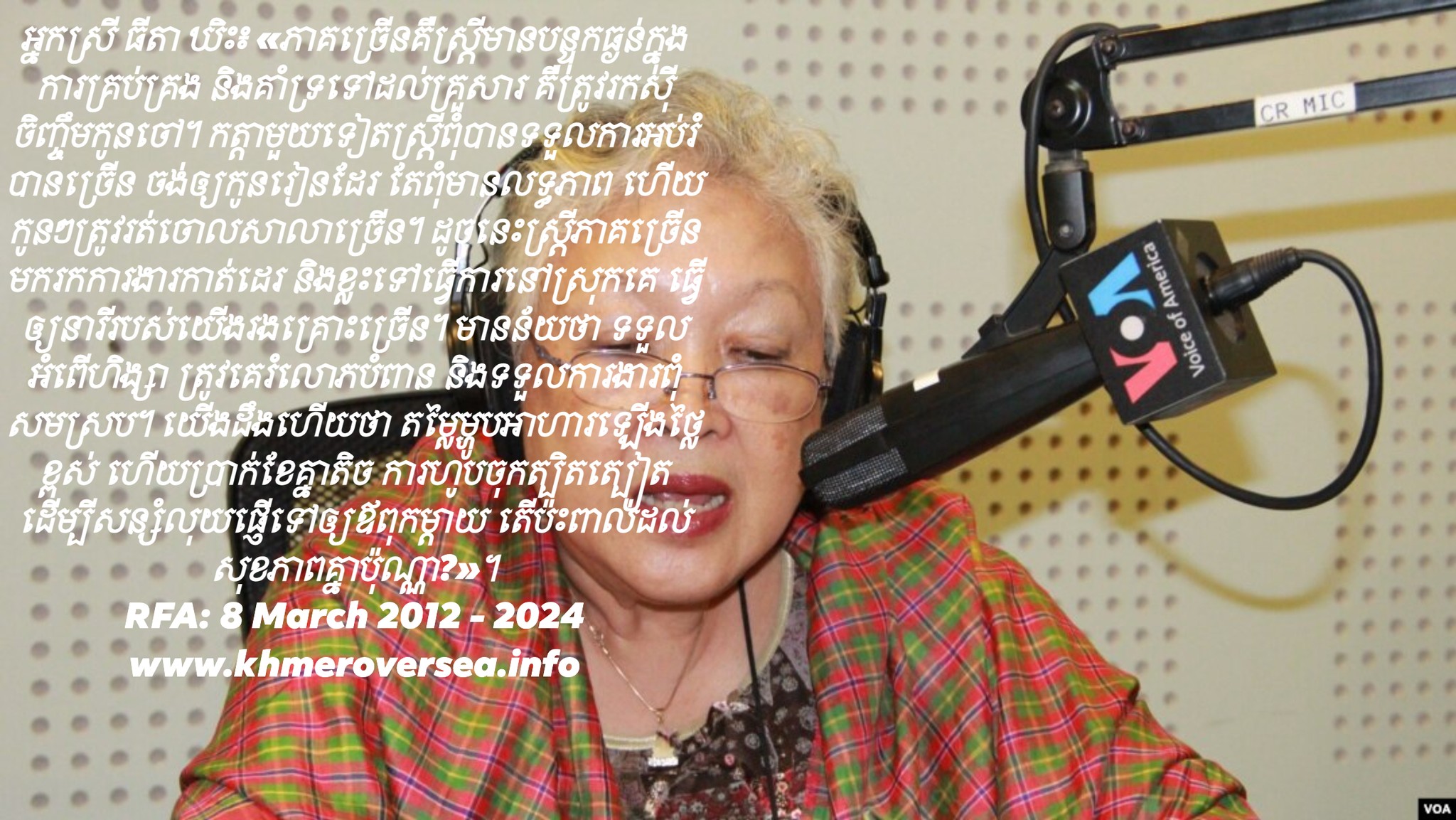
 ប្រជាពលរដ្ឋរស់នៅក្រៅប្រទេសឥណ្ឌូនេស៊ីចូលរួមបោះឆ្នោតជាតិថ្ងៃទី១៤ កុម្ភះ ២០២៤ យ៉ាងច្រេីនកុះករជុំវិញពិភពលោក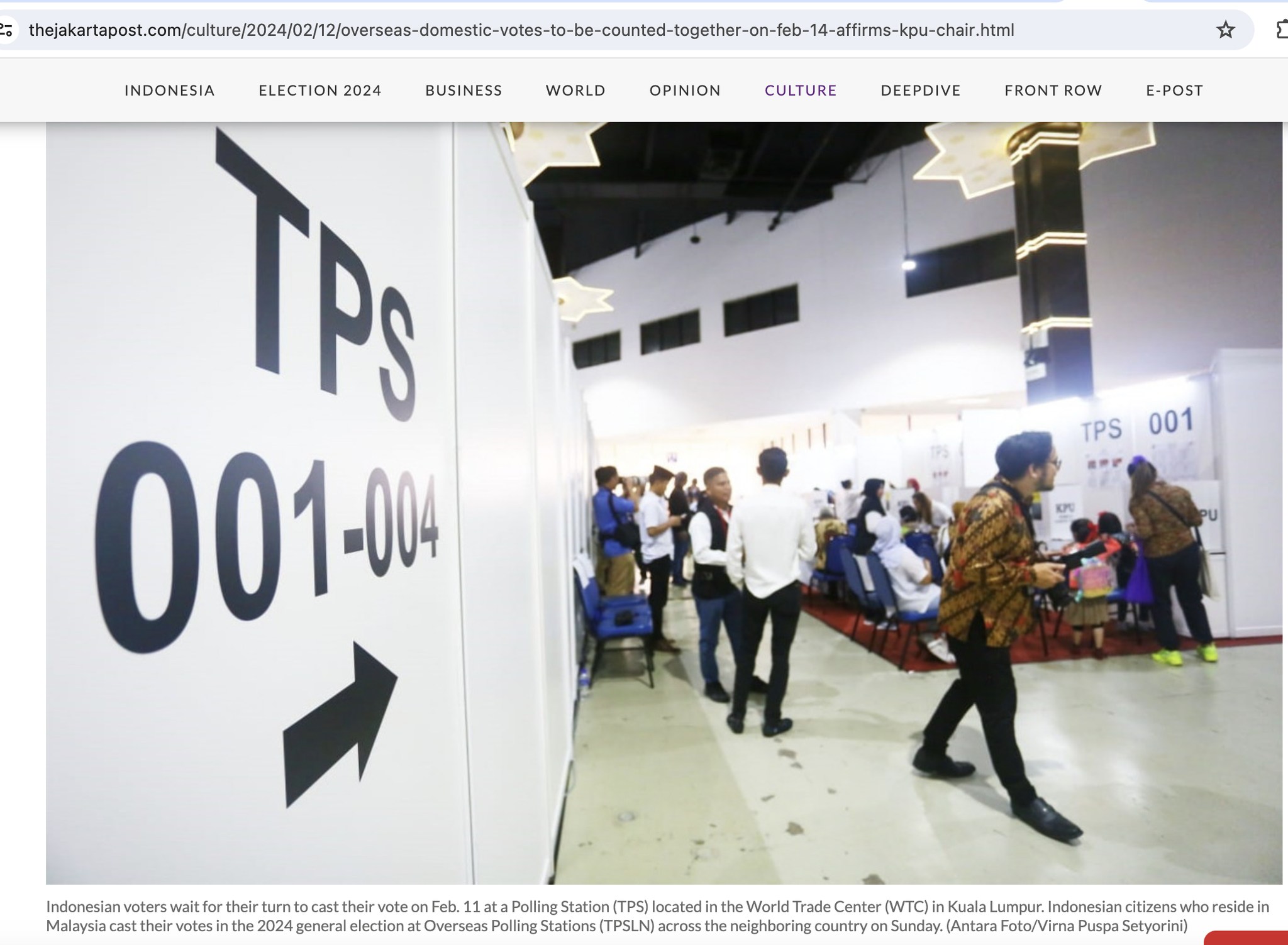
 សន្លឹកឆ្នោតចំនួនប្រាំផ្សេងគ្នាដើម្បីជ្រើសរើសបេក្ខជនប្រធានាធិបតី និងអនុប្រធានាធិបតី ព្រមទាំងតំណាងនៅថ្នាក់ជាតិ ថ្នាក់ខេត្ត តំបន់ និងថ្នាក់ខេត្ត និងទីក្រុង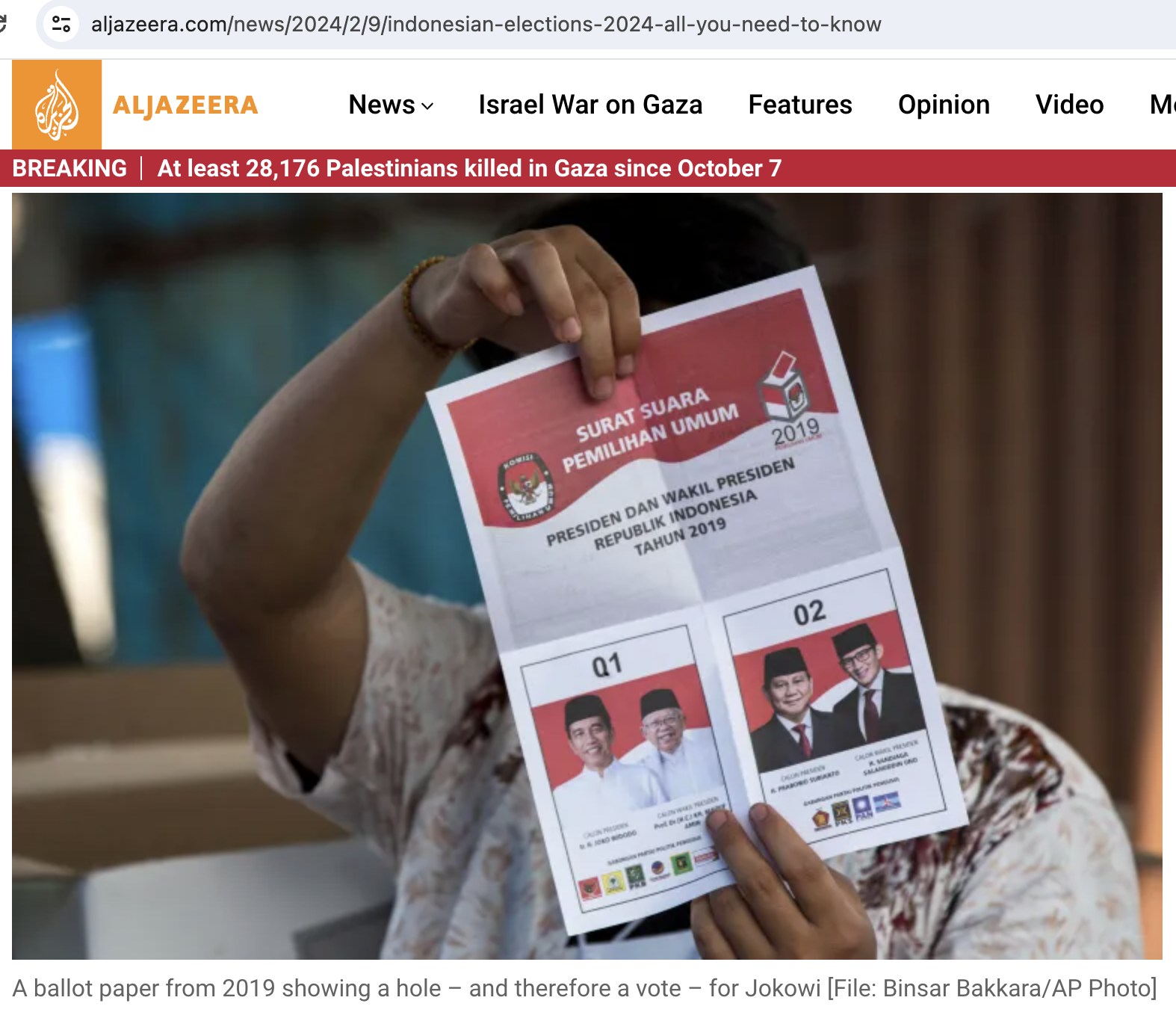
 Congratulations Spokesperson of the Ministry of Tourism for at least learnt to proudly accept the feedback and rating of international tourists, shortcomings of hospitality and international standards of customers services, and lay down action plans to improve. But The CEROC wants to see more commitments and professional deliveries of services from this key accountable institution directly funded by the nation-coffer money.